![Force-V [Into the Future]](https://force-v.co/wp-content/uploads/2025/10/cropped-WhatsApp-Image-2025-10-08-at-10.07.00-AM.jpeg)
PV DG Synchronization – Smart Power Management for Reliable Energy Systems
The synchronization of PV DGs is becoming an essential component of modern power systems in which diesel generators and solar energy are used in tandem to guarantee uninterrupted power. As energy requirements rise and grid reliability remains in a state of flux, industrial and business configurations are swiftly moving to the hybrid energy solutions which blend solar photovoltaic systems with diesel generators and operate in coordinated method.
This method of synchronization intelligently does not just improve energy efficiency but also lowers the use of fuel, operational costs as well as system downtime. The synchronization of PV DG enables diesel generators and solar power to operate in sync, providing reliable and stable power in a variety of load conditions.
What Is PV DG Synchronization?
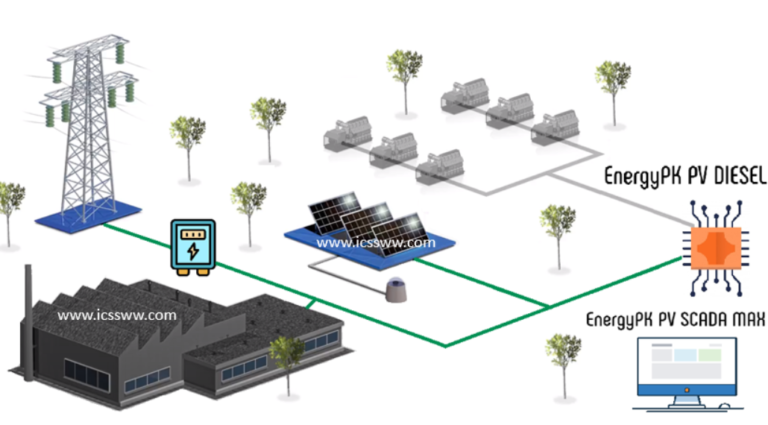
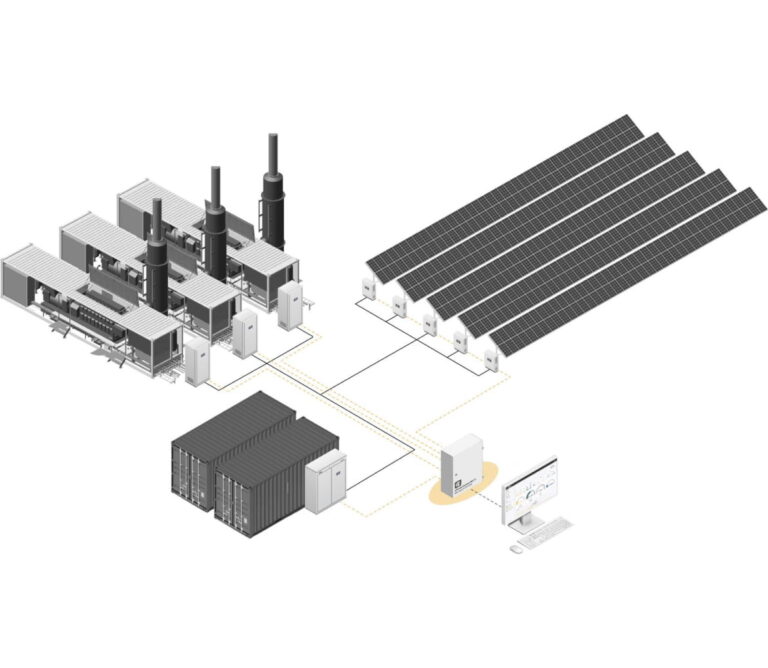
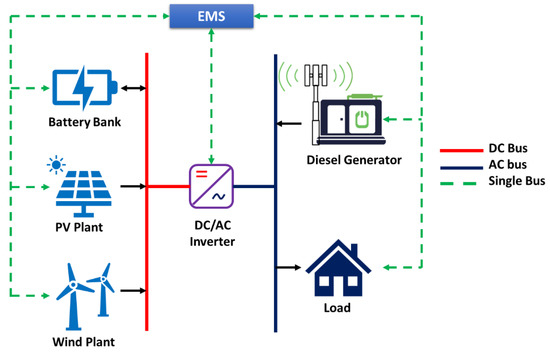
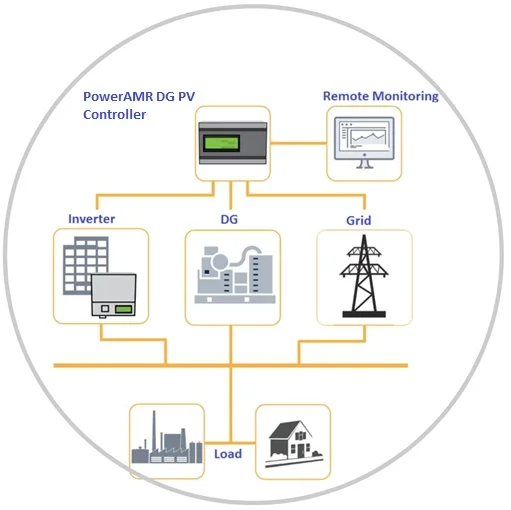
The term “synchronization of PV DG” is an integrated and seamless coordination between the photovoltaic power system in conjunction with diesel generators. Instead of operating separately the two energy sources are synced through an intelligent controller that regulates the power generation according to the demand in real-time.
Simply put Solar energy is given priority when it is available, and the diesel generator automatically assists it when the solar power is not sufficient. This allows for continuous power without any manual intervention.
Why PV DG Synchronization Is Important Today
With rising prices for fuel and environmental worries, relying only on diesel generators isn’t viable. In the same way solar power cannot always meet nighttime or peak energy needs. PV DG synchronization addresses this issue by creating an energy ecosystem which combines sustainability with reliability.
This method ensures:
- Reduced dependency on diesel fuel
- Lower operating costs
- Energy efficiency improvements
- A reliable power source in the event of solar power fluctuation
How PV DG Synchronization Works
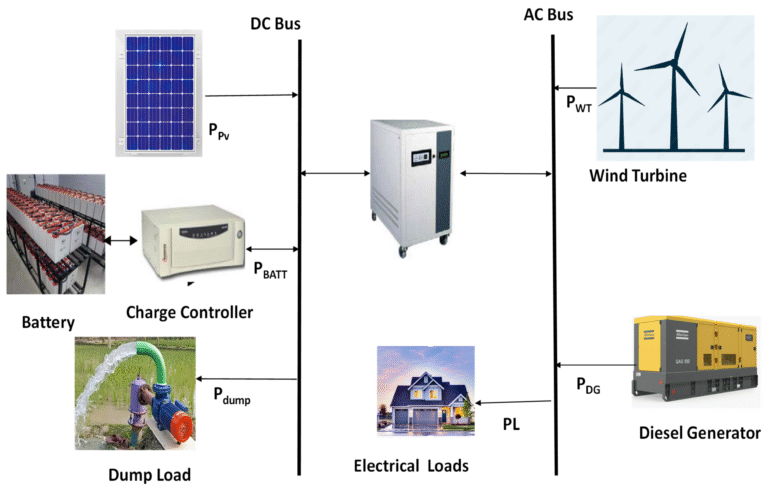
The process of synchronization involves sophisticated controllers that are able to monitor demand for load as well as solar generation as well as generator capacities. When there is sunlight the system puts a greater emphasis on solar energy. When the load grows or the solar output decreases, the diesel generator is automatically started and is synchronized in conjunction with solar systems.
Important steps include:
- Solar panels generate electricity in daylight
- The power is directly supplied to the load
- The excess energy is controlled or stored, if appropriate.
- Diesel generators support the demand when solar power is cut off
- Controller guarantees stable voltage and frequency
This clever coordination avoids power outages and enhances overall performance of the system.
Key Components of a PV DG Synchronization System
Photovoltaic Solar Panels
They convert sunlight into electricity, and serve as the main source of power during the day.
Diesel Generator
It provides backup power and can handle the peak load when solar power is not enough.
Synchronization Controller
The central nervous system is responsible for the power sharing, load balance as well as seamless transitions.
Power Distribution System
It ensures steady flow of electricity to connected equipment without fluctuations.
Benefits of PV DG Synchronization
Fuel Savings
Through maximising solar energy usage the runtime of diesel generators is greatly reduced, which leads to substantial savings on fuel.
Reduced Carbon Emissions
A lower use of generators means less emissions, which makes the system greener.
Improved Power Reliability
The system guarantees uninterrupted power, even in the event of extreme solar fluctuations or sudden changes in load.
Optimized Generator Performance
Generators are designed to operate at optimal load levels, which reduce wear and also extending the lifespan of the equipment.
Lower Maintenance Costs
A shorter runtime for generators results in less maintenance cycles and lower maintenance costs.
Applications of PV DG Synchronization
Synchronization of PV DGs is extensively used in a variety of sectors because of its flexibility and effectiveness.
Industrial Facilities
Manufacturing and factories get reliable power and reduced operating expenses.
Commercial Buildings
Offices, shopping centers and malls employ hybrid systems that allow for productivity even during power outages.
Telecom Infrastructure
Telecom towers depend on synchronization of PV DGs to ensure power is available 24/7, with a minimal use of fuel.
Remote and Off-Grid Areas
Localities that do not have reliable grid connectivity gain energy independence by utilizing electric power hybrid systems.
PV DG Synchronization vs Traditional Generator Systems
Diesel generators operate independently and operate continuously through outages, and consume huge quantities of fuel. Contrarily the synchronized systems cleverly mix solar energy with generator power.
Some of the key differences include:
- Greater fuel efficiency with synced systems
- Lower environmental impact
- Automated operation with no manual switch
- Stability and better load management
Role of Intelligent Controllers in Synchronization
Modern PV DG sync relies heavily on sophisticated controllers that constantly examine the system’s parameters. These controllers ensure:
- Accurate load sharing
- Smooth cycle of start- and end-stop
- Stable regulation of frequency and voltage
- Protection against faults and overloads
Without control systems that are intelligent sync is ineffective and not reliable.
Challenges in PV DG Synchronization
While highly beneficial, correct design and configuration of the system is essential. A lack of synchronization can cause instability in power, poor utilization of generators, or even to stress on the equipment.
Common problems can be found in:
- Incorrect system sizing
- Improper controller configuration
- Poor load forecasting
- Inadequate maintenance
Regular monitoring can help overcome these issues.
Best Practices for Effective PV DG Synchronization
To ensure maximum performance, you should consider these best practices
Accurate Load Assessment
Knowing the patterns of power demand will ensure proper system size.
Quality Equipment Selection
Utilizing reliable inverters, controllers and generators improves stability of the system.
Regular Performance Monitoring
Continuous monitoring helps to detect early signs of inefficiencies.
Scheduled Maintenance
Regular checks assure long-term effectiveness and reliability.
Economic Impact of PV DG Synchronization
The financial advantages of PV DG synchronization are substantial. Lower fuel consumption and lower maintenance costs can translate to lower operating costs in the long run. While the initial setup might require investment, the benefits over time usually outweigh the cost.
Companies that adopt synchronized systems have:
- A faster ROI on investment
- Predictable energy costs
- Energy resilience is improved
Future of PV DG Synchronization
As the use of renewable energy is growing, PV DG synchronization is expected to be a major component of multi-energy solutions. The advancements in smart controllers as well as AI-based energy management and increased solar efficiency will improve the performance of the system.
The future will be a lot more efficient, cleaner and more efficient energy systems that seamlessly blend traditional and renewable sources of energy.
Final Thoughts
PV DG synchronization can be an effective solution for businesses who require reliable, efficient as well as sustainable management of energy. By combining solar power and diesel generators this solution guarantees uninterrupted power, lower cost of fuel, and increased efficiency of operation.
For commercial, industrial applications, remote or industrial, synchronizing PV DGs is an intelligent step towards energy independence and savings over the long term. Through a well-designed design, smart control, and routine maintenance the hybrid power solution will provide reliable performance in a constantly changing energy landscape.