![Force-V [Into the Future]](https://force-v.co/wp-content/uploads/2025/10/cropped-WhatsApp-Image-2025-10-08-at-10.07.00-AM.jpeg)
PV DG Synchronization: Complete Guide to Solar & Diesel Generator Integration
Table of Contents
- Introduction to PV DG Synchronization
- What Is PV DG Synchronization?
- Why PV DG Synchronization Is Important for Modern Power Systems
- How PV DG Synchronization Works
- Key Components of a PV DG Synchronization System
- PV DG Synchronization Control Logic Explained
- Benefits of PV DG Synchronization
- Industrial & Commercial Use Cases
- PV DG Synchronization vs Conventional Generator Operation
- Common Challenges in PV DG Synchronization
- Best Practices for Implementing PV DG Synchronization
- Future of PV DG Synchronization
- Frequently Asked Questions (FAQs)
Introduction to PV DG Synchronization
PV DG Synchronization has become an essential solution for businesses as well as commercial establishments seeking to lower fuel expenses and increase power reliability and incorporate renewable power without harming stability of the system. Since energy requirements are increasing and diesel fuel prices change businesses are increasingly looking to the synchronization of PV DGs for a smart way to blend solar power with diesel generators.
This lets solar PV systems as well as diesel generators to work simultaneously which ensures continuous power, while optimizing efficiency of energy.
What Is PV DG Synchronization?
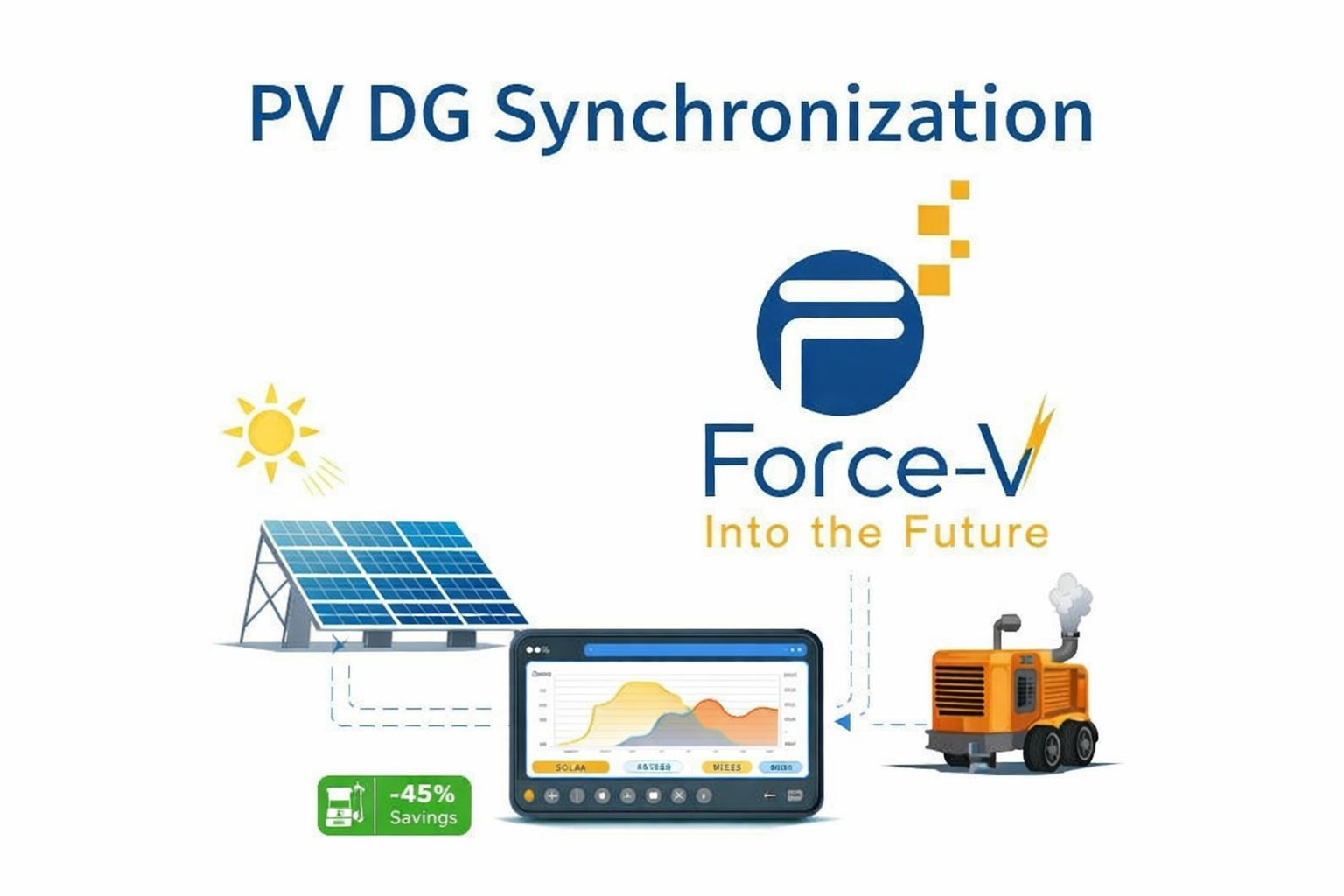
PV DG Synchronization involves the procedure of cleverly synchronizing a solar photovoltaic (PV) system to diesel generator (DG) so both generators can work simultaneously or alternately based on the availability of solar energy, and other priority of the system.
In contrast to traditional systems where generators are independent, PV DG synchronization permits real-time coordination as well as load sharing and smooth switching between diesel and solar energy.
Why PV DG Synchronization Is Important for Modern Power Systems
Modern power systems demand:
- High-availability
- Fuel efficiency
- Emissions reduced
- Intelligent control
PV DG Synchronization meets these needs through:
- Reducing diesel generator runtime
- Maximizing solar energy utilization
- Stopping reverse power flow
- Stabilizing frequency and voltage
For commercial and industrial customers PV DG synchronization has become not a choice anymore, it is now an energy strategy.
How PV DG Synchronization Works
PV DG Synchronization is controlled by central control mechanisms that constantly monitors system the parameters.
Basic Working Principle:
- Solar PV produces power dependent on the availability of sunlight
- Demand for load is monitored in real-time
- The controller makes the following decision:
- Operation based on solar energy
- Operation DG-only
- Hybrid Synchronized Operation
- Power output is dynamically adjusted to accommodate load demands
- Protection mechanisms prevent system instability
This clever operation assures continuous, smooth energy delivery.
Key Components of a PV DG Synchronization System
| Component | Function |
|---|---|
| Solar PV System | Produces renewable energy |
| Diesel Generator | It provides backup as well as peak load support |
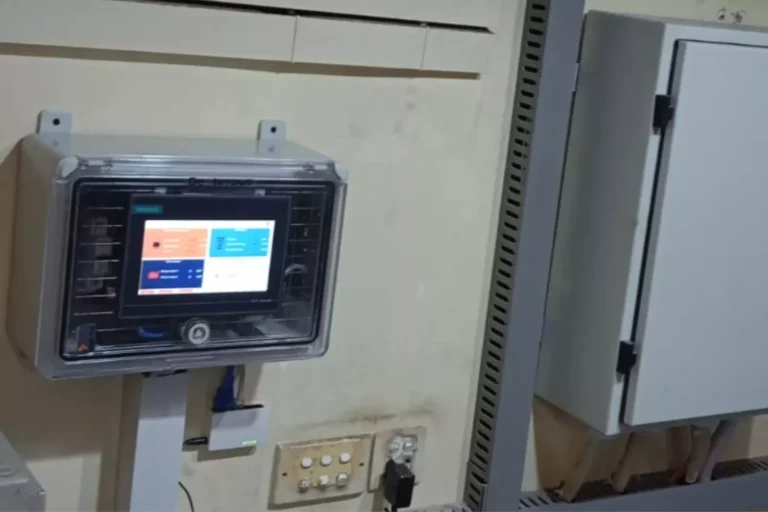
| PV DG Synchronization Controller | Coordinates load sharing and coordination |
| Energy Monitoring System | It tracks the flow of power and also performance |
| Protection Devices | Avoid overheating and reverse power |
| Communication Interface | Real-time control, as well as allows for real-time control and |
Every component plays an important part in the ensuring of reliable PV DG timing.
PV DG Synchronization Control Logic Explained
The heart of PVDG Synchronization is in its control algorithm.
Control logic is typically comprised of:
- Priority management of load
- Generator minimum load enforcement
- Solar curtailment control
- Synchronization of voltages and frequency
- Automatic start/stopping of the DG
Modern PV DG synchronization systems employ adaptive algorithms that respond immediately to changes in load to ensure stability throughout operational conditions.
Benefits of PV DG Synchronization
PV DG Synchronization provides tangible economic and technological benefits:
- Reduced diesel fuel consumption
- Lower operational expenses
- Increased lifespan of generators
- Carbon emissions are reduced
- Smooth power transition
- Optimized energy utilization
In large installations, synchronization of PVDGs can cut the cost of fuel by 30% to 60 percentage according to the design of the system and the solar power capacity.
Industrial & Commercial Use Cases
PV DG Synchronization is commonly employed in the following areas:
- Plants for manufacturing
- Telecom towers
- Data centers
- Hospitals
- Commercial structures
- Off-grid and remote facilities
In locations that are remote and grid power isn’t reliable PV DG synchronization is a reliable and economical power solution.
PV DG Synchronization vs Conventional Generator Operation
| Feature | Conventional DG | PV DG Synchronization |
|---|---|---|
| Fuel Consumption | High | Optimized |
| Solar Integration | Not supported | Fully fully integrated |
| Load Sharing | Manual / Limited | Automatic |
| Power Stability | Moderate | High |
| Operating Cost | High | Reduced |
This study demonstrates the reasons why PVDG synchronization is quickly replacing generators only systems.
Common Challenges in PV DG Synchronization
Although it has many advantages PV DG Synchronization is a process that is a complex process that requires a careful approach to design.
Common problems are:
- Incorrect controller sizing
- Unsatisfactory load estimation
- Insufficient protection logic
- Communication delays
- Monitoring of the system is not adequate.
The challenges are solvable by a professional design of the system and setting up.
Best Practices for Implementing PV DG Synchronization
To ensure reliable performance:
- Do a comprehensive load study
- Pick a proven PVDG control system for synchronization
- Install real-time monitoring of energy
- Configure generator protection limits
- Test synchronization under different load scenarios
Best practices will ensure longevity of system stability and high ROI.
Future of PV DG Synchronization
With the growing popularity of renewable energy the PV DG Synchronization process is expected to evolve in line with:
- AI-powered load prediction using AI
- Smarter energy management systems
- Remote monitoring and diagnosis
- Integration of battery storage with battery
PV DG synchronization is an essential component of hybrid power systems around the world.
Frequently Asked Questions (FAQs)
What can PV DG synchronization be employed to do?
PV DG synchronization can be used to connect solar PV systems into diesel generators, resulting in effective, reliable and affordable power generation.
Can PV DG synchronization be used without batteries?
Yes PV DG synchronization is able to work without batteries through directly linking solar output and generator operation.
Are PV DG synchronization appropriate for industrial use?
Yes, it’s ideal for commercial and industrial installations that have high demand for energy and high power demands.
Does PV DG synchronization reduce generator fuel consumption?
By prioritizing the solar energy the synchronization of PV DGs significantly decreases the use of diesel fuel.
Final Thoughts
PV DG Synchronization can be an efficient solution for companies looking to improve their energy effectiveness, reliability as well as sustainability. In combining intelligently the power of solar with diesel generators firms can enjoy lower operational costs and still have continuous energy supply.
If properly planned and executed If properly designed and implemented, PV DG sync provides lasting value. This makes it an integral part of the modern hybrid energy system.