![Force-V [Into the Future]](https://force-v.co/wp-content/uploads/2025/10/cropped-WhatsApp-Image-2025-10-08-at-10.07.00-AM.jpeg)
Energy Monitoring System – Smart Control for Efficient Power Management
Introduction: Why an Energy Monitoring System Is No Longer Optional
In an environment of competition that is characterized by energy prices, they directly impact profitability. With rising electricity costs and energy usage gets more complicated, businesses must constantly manage their consumption, cut down on energy waste, and boost efficiency. So the need for the need for an an energy monitor has grown into a crucial business solution, not something that is a luxury.
A monitoring system for energy offers an immediate overview of the power consumption which allows companies to analyze, track and maximize energy usage throughout departments, equipment and even facilities. This means that better decisions can be made and unnecessary expenses are cut out as well as operational efficiency is improved.
What Is an Energy Monitoring System? (Commercial View)
A an energy monitor is a complete solution created to record, measure and analyse consumption of electrical energy in real-time. Instead of waiting for the monthly bill for utility usage, companies benefit from constant insight on the time, how and in what locations energy is used.
The result is:
- The energy loss is identified in the early stages.
- The equipment that is inefficient has been identified
- The peak demand can be controlled
- Costs of power are minimized
So, from a commercial standpoint, an energy monitoring device is an effective decision-making and cost control instrument.
How an Energy Monitoring System Works
In order to comprehend the value of it to fully appreciate its value, the mechanism that works is to be understood.
Operational Process:
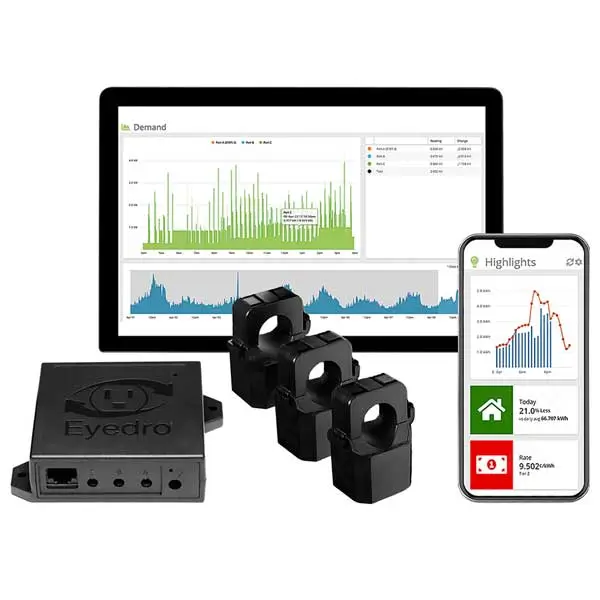
- In the beginning Energy meters and sensors collect energy data.
- After that, the data are sent to a central monitoring platform.
- Meanwhile, real-time dashboards display consumption trends
- Alerts are sent out when an abnormal use is discovered.
- In the end, reports are utilized to aid in optimization as well as planning
Since this process is controlled, energy efficiency is continually improved with no the need for manual labor.
Why Businesses Are Adopting Energy Monitoring Systems
In the current climate, energy management has become more important, businesses invest more heavily into monitoring tools.
Key Business Drivers:
- The rising electricity prices
- Inadequate energy consumption
- Penalties for high peak demand
- Equipment inefficiencies
- Sustainable and compliance targets
Therefore, a monitoring system is currently being implemented in order to ensure that operational costs as well as energy consumption.
Core Functions of an Energy Monitoring System
An energy monitoring system that is commercial grade is specifically designed to give you superior control and insight.
Main Functions Include:
- Energy tracking in real-time
- Analysis of demand and supply
- Monitoring peak usage
- Level-of-energy measurement for equipment measurement
- Alert and alarm generation
- Logging of historical data
- Performance reports
Since these tasks are centralized, the management of energy is made easier and more efficient.
Key Benefits of an Energy Monitoring System
1. Reduced Energy Costs
In identifying inefficiencies and wastage In this way, energy waste is reduced. In the end, electric bills are drastically diminished.
2. Improved Operational Efficiency
If equipment that consumes energy is checked and corrective measures are implemented quickly. This makes processes more efficient and more predictable.
3. Peak Demand Control
Because the peak loads are measured in real-time so that demand spikes can be avoided. Thus, the penalty costs imposed by utilities are reduced.
4. Preventive Maintenance
The abnormal energy patterns are often a sign of malfunctions in the equipment. Since issues are identified in the early stages, failures can be avoided and maintenance costs decrease.
5. Data-Driven Decision Making
If you can get accurate information on energy and accurate energy data, the decision-making process is made based on fact rather than preconceived notions. Thus, long-term planning is more secure.
Commercial Applications of Energy Monitoring Systems
Industrial Facilities
Production plants and factories use technology to monitor energy consumption. This helps control machines that consume a lot of energy and boost the efficiency of their operations.
Commercial Buildings
Malls, offices, hospitals Hotels, as well as hospitals benefit from improved lighting, HVAC and energy usage.
Data Centers
Because power reliability is crucial Energy monitoring systems can ensure that power is always on while reducing expenses for energy.
Utilities & Infrastructure
Distribution networks and substations rely on monitoring systems that help improve grid reliability and efficiency.
Energy Monitoring System vs Traditional Metering
| Feature | Traditional Metering | Energy Monitoring System |
|---|---|---|
| Data Availability | Monthly | Real-Time |
| Energy Visibility | Limited | Complete |
| Automation | None | Fully Automated |
| Cost Control | Reactive | Proactive |
| Fault Detection | Delayed | Immediate |
| Reporting | Basic | Advanced |
It’s clear that an energy monitoring system can provide an even greater value for money.
Why Energy Monitoring Systems Are Critical for Cost Control
If there is no proper control the energy loss is unnoticed. Thus, the expenses continue to increase without being noticed. A monitoring system for energy assures:
- There is no way to track energy use
- The inefficiencies can be corrected swiftly.
- The budgets of energy are managed
- The performance benchmarks are met
In the end, companies keep the control of their finances and operations.
Key Features to Look for in an Energy Monitoring System
Before deciding on a method, the following aspects should be considered:
Must-Have Features:
- Energy measurement with high accuracy. measurement
- Real-time dashboards
- Customized alerts and notification
- Scalable architecture
- Simple integration into existing systems. Easy integration with existing
- Comprehensive analytics and reports
When you choose the best technique, the long-term effectiveness can be assured.
Cost Savings & ROI of an Energy Monitoring System
From a financial standpoint from a financial perspective, a system for energy monitoring can provide measurable return.
Cost Savings Achieved Through:
- Electricity bills are reduced
- Costs of maintenance that are lower
- Beware of penalties at peak demand
- Efficiency of the equipment is improved
Typical ROI Timeline:
- Commercial building: 6-12 months
- Industrial facilities: 9-18 months
- Large infrastructures from 12 to 24 months
So it is a good investment is quickly repaid.
Scalability & Future Expansion
With the increasing demand for energy the monitoring system must be able to adjust. The good news is that the latest energy monitoring technology is very scalable.
Equipment, additional meters or facilities may be easily added. Thus, the system continues to grow as business processes expand.
Reliability, Safety & Compliance
A monitoring system for energy efficiency improves security by finding out irregular electrical activity. Additionally, complying with energy regulations and sustainability requirements is made simpler.
So, the risk decreases and operational trust is improved.
Why an Energy Monitoring System Is a Smart Commercial Investment
In short, an energy monitoring device provides:
- Complete visibility of the power use
- Reduction in operating expenses
- Increased reliability of the system
- Improved planning and forecasting
- Help to achieve sustainability goals
Thus, it’s considered as a fundamental element in contemporary energy management strategies..
Final Thoughts: Control Energy Before It Controls Your Costs
A technology for monitoring energy transforms energy costs from an uncontrollable expense to an easily manageable assets for business. Through real-time insight automated, useful data, it allows businesses to lower expenses, increase efficiency and run their business sustainably.
If you’re trying to have complete control over the use of energy and costs making the investment into an energy monitoring system is the best option.