![Force-V [Into the Future]](https://force-v.co/wp-content/uploads/2025/10/cropped-WhatsApp-Image-2025-10-08-at-10.07.00-AM.jpeg)
Energy Management System (EMS): The Complete 2026 Guide to Smarter, Cost-Efficient Energy Control
Energy is no longer merely an expense to be used for utility purposes It is now an important strategically important asset. With the increasing cost of electricity environmental concerns, stringent regulations, and an increasing need for efficiency, businesses across the globe are shifting towards more intelligent energy control.
This is the place where the Energy Management System (EMS) plays a game-changing function.
The Energy Management System helps businesses manage, monitor their, optimize, and reduce the amount of energy consumed without sacrificing productivity. No matter what the situation is, whether it’s a manufacturing facility or hospital, commercial building data center, intelligent home EMS converts energy-related data to useful insight.
Through this book, be able to:
- What an Energy Management System is
- What is EMS? EMS functions
- Key components and kinds
- Benefits for industries and businesses
- Use cases from the real world
- Solutions and challenges
- In the future, EMS trends will continue to evolve. EMS patterns for 2026 as well as beyond
What Is an Energy Management System (EMS)?
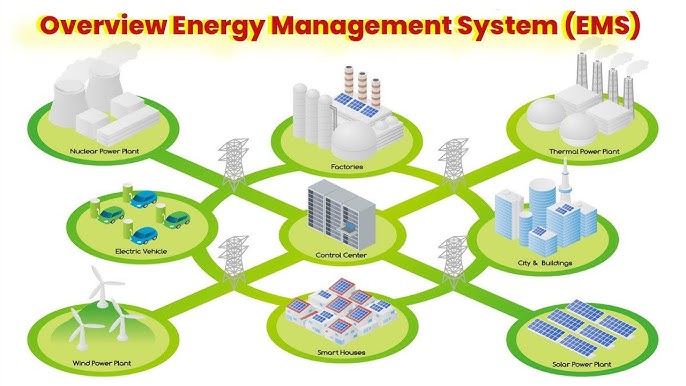
A Energy Management System is an online platform that gathers information, analyzes, and handles energy information to increase efficiency and decrease the amount of waste.
Simple Definition
The term “energy management system” refers to an Energy Management System is a combination of hardware, software sensors, and other tools that are used to analyze and optimize energy use in real-time.
What EMS Does
- It tracks energy consumption across buildings and equipment
- Finds inefficiencies and energy losses
- Automates energy control decisions
- Reduces operating cost
- Helps to achieve sustainable goals
It’s not only about saving electricity it’s about making smart energy decisions.
Why Energy Management Systems Are Important
The cost of energy is among the most significant operational costs for companies in the present. In the absence of proper monitoring, businesses typically lose money due:
- Idle equipment
- Penalties for Peak Demand
- Unbalanced load
- Inefficient machines
- Human error
An EMS offers transparency and control and turns the hidden costs into tangible savings.
Key Reasons EMS Is Critical
- The rising cost of energy
- Net-zero and sustainability goals
- Energy regulations of the government
- ESG compliance obligations
- Efficiency of the operation in a competitive manner
How an Energy Management System Works
An EMS is based on a well-defined data-driven workflow
1. Data Collection
Sensors, smart meters, and IoT devices are able to collect data in real-time for example:
- Utilization of electricity
- Current and voltage
- Power factor
- Equipment runtime
- Environmental and temperature data
2. Data Transmission
Data collected is then sent to the Central EMS Platform through wireless or wired communications.
3. Data Analysis
Advanced algorithms analyse patterns, trends, and anomalies:
- Find out the source of energy waste
- Predict future demand
- Optimize peak loads
4. Visualization
Energy dashboards provide insights via:
- Charts
- Heat maps
- Performance indicators
- Cost breakdowns
5. Optimization & Control
EMS could:
- Automate equipment shutdown
- Transfer loads during off-peak hours
- Adjust the HVAC system
- Optimize renewable energy use
Core Components of an Energy Management System
A complete EMS comprises the following elements:
1. Smart Meters
Determine the amount of gas, electricity and water consumption with precision.
2. Sensors & IoT Devices
Monitor the performance of equipment and monitor the performance of equipment in terms of temperature, humidity and occupancy.
3. Communication Network
Transfers data by using protocols such as Ethernet Wi-Fi, Ethernet, or industrial networks.
4. EMS Software Platform
It is the brain process, visualizes and analyzes energy-related data.
5. Control Systems
Make automated actions possible, such as load shedding or scheduling equipment.
6. Analytics & AI Engine
Machine learning is used to predict the energy needs and improve strategies for maximizing energy efficiency.
Types of Energy Management Systems
1. Industrial Energy Management System
Created for plants and factories to maximize:
- Machinery
- Production lines
- Compressed air systems
- Motors and drives
2. Building Energy Management System (BEMS)
Commercial buildings are used to control:
- HVAC systems
- Lighting
- Elevators
- Utilization of energy based on occupancy
3. Home Energy Management System (HEMS)
Helps homeowners monitor and control:
- Appliances
- Solar panels
- Battery storage
- Smart thermostats
4. Enterprise Energy Management System
It covers multiple locations on one dashboard to:
- Retail chains
- Hospitals
- Universities
- Corporate campuses
Key Benefits of an Energy Management System
1. Reduced Energy Costs
EMS analyzes energy waste and reduces consumption, which results in 15%-40% savings in energy.
2. Real-Time Monitoring
The instant visibility into energy usage can prevent surprise charges from utility companies.
3. Improved Operational Efficiency
A better energy control system enhances the performance of equipment and prolongs its lifespan.
4. Data-Driven Decisions
Accurate data eliminates guesswork and provides useful insight.
5. Sustainability & ESG Compliance
Promotes green and carbon reduction initiatives.
6. Peak Demand Management
Reduces the risk of penalties by limiting the use of energy in peak times.
7. Predictive Maintenance
It detects abnormal energy patterns prior to the equipment fails.
Energy Management System in Different Industries
Manufacturing
- Optimizes production energy usage
- Reduces downtime
- Improves equipment efficiency
Healthcare
- Provides a reliable power supply
- Manages HVAC to ensure comfort of patients
- Reduces operating costs
Commercial Buildings
- Automation of HVAC and lighting
- Reduces energy consumption in idle times
- Improves comfort of occupants
Data Centers
- Controls cooling systems for cooling
- Manages peak loads
- Improves the efficiency of power usage (PUE)
Hospitality
- Smart energy control for the room
- Lower utility bills
- Improved guest experience
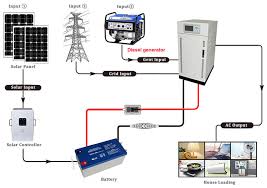
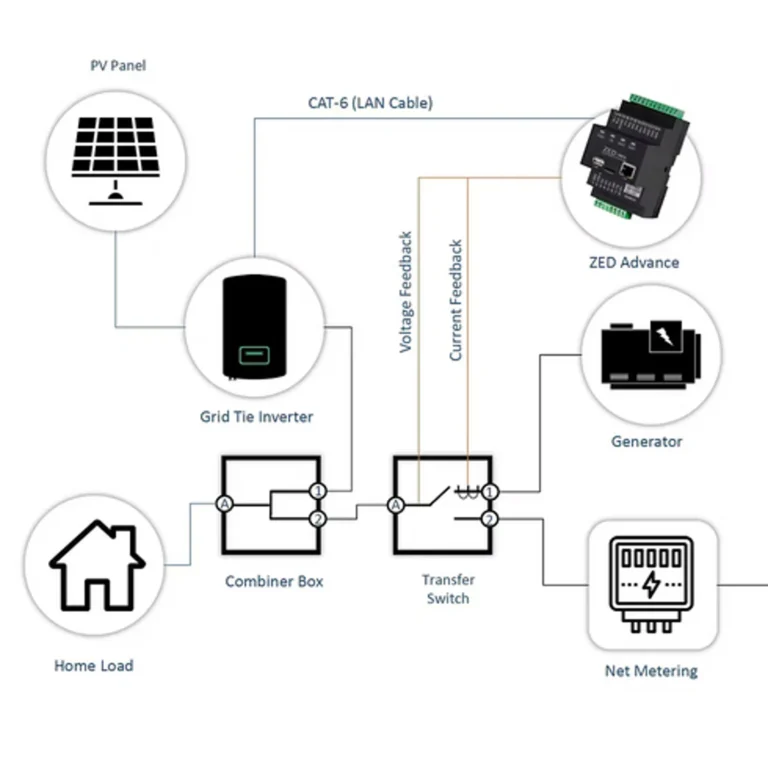
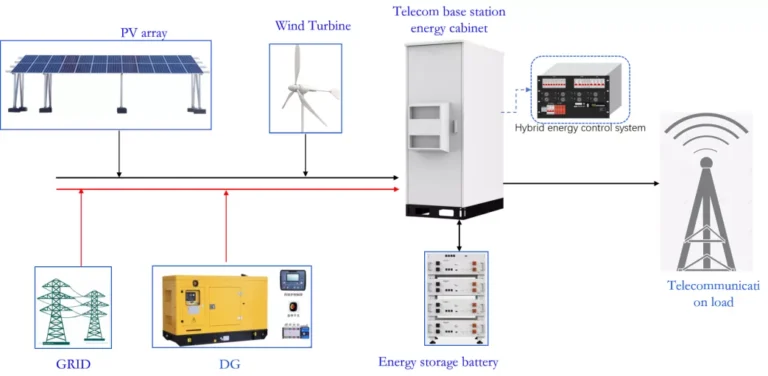
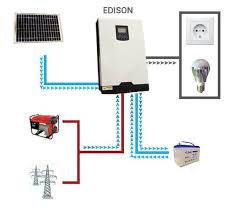
Energy Management System and Renewable Energy
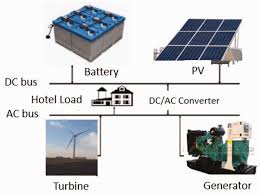
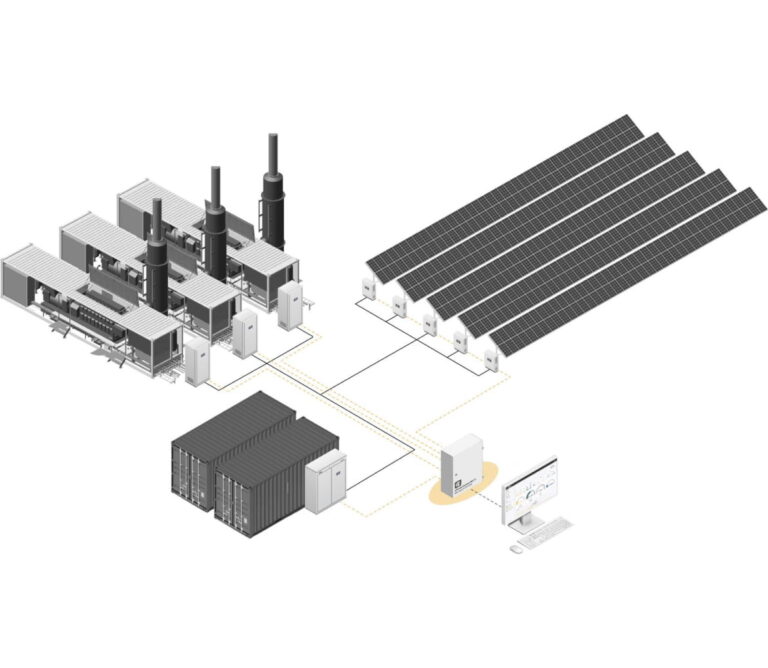
Modern EMS seamlessly is integrated with:
- Solar panels
- Wind turbines
- Storage systems for battery energy
How EMS Supports Renewables
- Grid balance and Renewable Power
- Increases self-consumption
- Storing extra energy efficiently
- Reduces dependence on grid electricity
This is what makes EMS an important factor in the process of promoting the adoption of clean energy.
Role of AI and IoT in Energy Management Systems
Artificial Intelligence (AI)
- Future energy demand forecasts
- Identifies inefficiencies automatically
- Optimizes energy scheduling
Internet of Things (IoT)
- Enables real-time data collection
- Connects devices and equipment
- Improves system responsiveness
When they are combined, AI and IoT turn EMS into an auto-learning ecosystem for energy.
Common Challenges in Energy Management Systems
1. High Initial Cost
Solution for long-term savings and the ability to scale EMS deployment.
2. Data Overload
Solution: AI-powered analytics and intelligent dashboards.
3. Integration Issues
Solution: Cloud-based and open-protocol EMS platforms.
4. User Adoption
Solution Solutions: Training, automation and streamlined interfaces.
Energy Management System Implementation Best Practices
- Perform an energy audit first.
- Establish clear energy goals
- Select a the most scalable EMS software
- Integrate into existing systems
- Training staff correctly
- Monitor and continuously optimize
Energy Management System and ISO Standards
EMS is a part of international energy standards, including:
- ISO standards for energy efficiency
- Continuous improvements
- Compliance with documentation and reporting
This will ensure systematic and quantifiable the management of energy.
Future Trends of Energy Management Systems (2026 and Beyond)
1. AI-Driven Autonomous EMS
Self-optimizing systems are able to optimize themselves with little human involvement.
2. Cloud-Based Energy Platforms
Global monitoring via remote and scaling.
3. Carbon Tracking Integration
Monitoring of the carbon footprint in real time.
4. Blockchain for Energy Trading
Peer-to-peer transactions are secured.
5. Smart Cities Integration
EMS as a key element in smart infrastructure for urban areas.
Who Should Use an Energy Management System?
- Manufacturing plants
- Commercial buildings
- Schools and hospitals
- Malls and hotels
- Data centers
- Facilities of the government
- Renewable energy projects
If you are concerned about energy costs to you, E-Motion is not an option.
Final Thoughts: Is an Energy Management System Worth It?
Absolutely.
The use of an Energy Management System is not simply a cost-saving toolit’s an strategically-planned investment in sustainability, efficiency and future-ready.
With the rise in energy costs and a growing environmental responsibility EMS allows organizations to:
- Reduce the cost
- Improve performance
- Attain sustainability targets
- Keep up with the competition
The future is for those who control energy efficiently and not those who squander it.