![Force-V [Into the Future]](https://force-v.co/wp-content/uploads/2025/10/cropped-WhatsApp-Image-2025-10-08-at-10.07.00-AM.jpeg)
PV DG Synchronization Services in the USA – Reliable Power Integration for Businesses
Since energy prices are rising and businesses need continuous power supply, the synchronization of PV and DG are becoming essential throughout the USA. No matter if you run an industrial facility, hospital commercial or data center the combination of the solar photovoltaic (PV) systems together with diesel generators (DG) ensures consistent energy supply, with lower cost of fuel and a smaller carbon footprint.
If they’re not properly synchronized these systems can result in problems with voltage, damage to equipment and even inefficiency.
This is where the professional PV DG sync products can help providing smoothly smooth power shifts load balance and a better performance.
This guide will help you be able to:
- What exactly is PV DG synchronization?
- How does it work
- Business benefits
- The importance of professional installation
- Cost-related Factors
- FAQs for prospective buyers
What Is PV DG Synchronization?
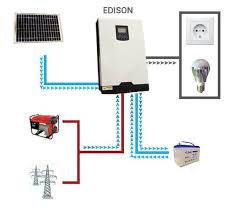
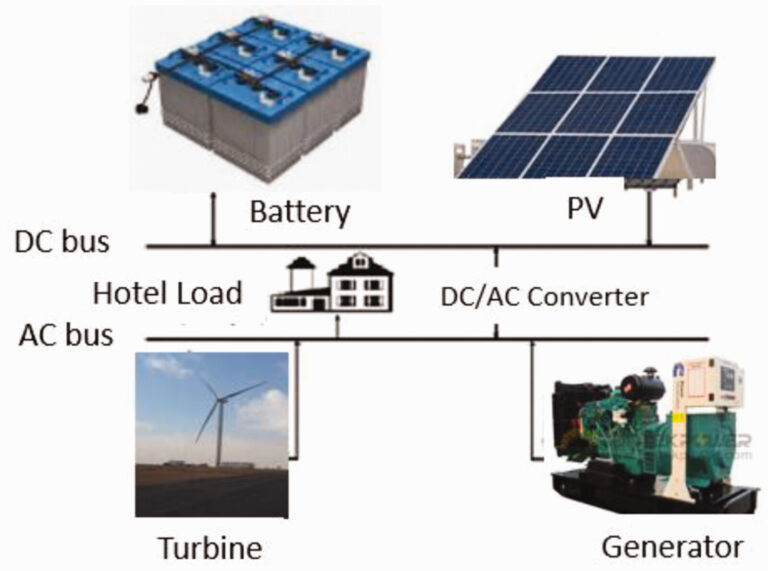
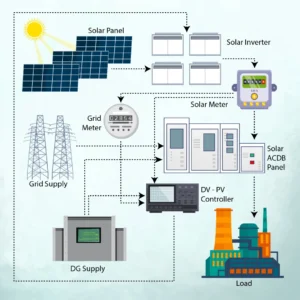
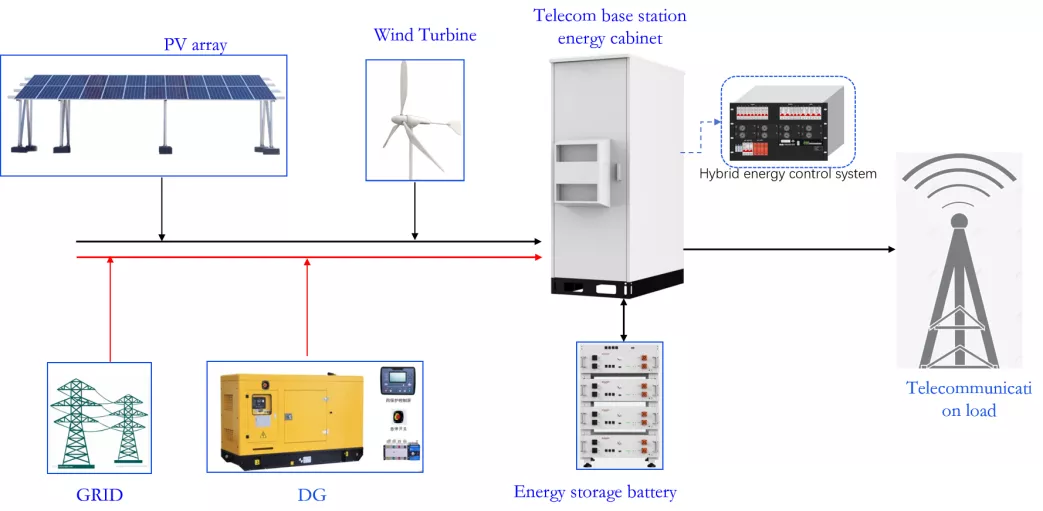
PV DG synchronization refers to the method of the integration of solar power systems and diesel generators to ensure that both power sources work smoothly together.
Instead of manually switching between power sources The synchronized systems
- Use electrical load sharing in a way that is smart
- Maintain stable voltage & frequency
- Automatically balance usage of energy
- Stop interruptions in power
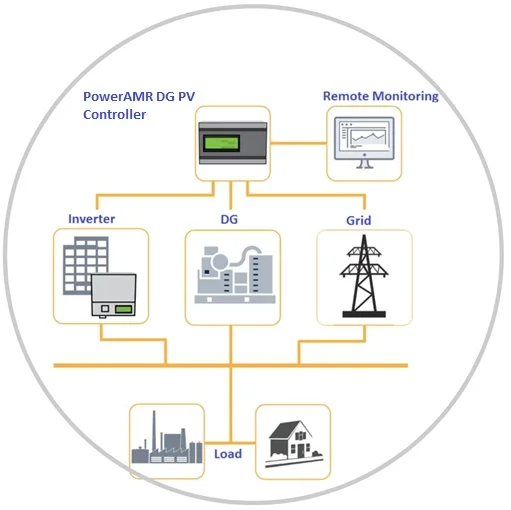
Key Components Involved
| Component | Purpose |
| Synchronization Controller | Controls the flow of power between DG and PV |
| Inverter System | Converts solar DC into AC |
| Protection Relays | Avoid overloads and other faults |
| Load Management Unit | Balances energy demand |
| Monitoring Software | Real-time tracking of performance |
Why Businesses in the USA Need PV DG Synchronization
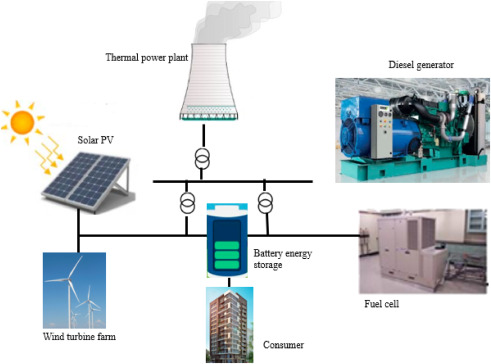
With increasing electricity prices and grid instability in a number of locations, mixing renewable as well as backup power isn’t only an option – it’s essential.
Major Use Cases
- Manufacturing plants
- Healthcare centers and hospitals
- Commercial complexes
- Telecom towers
- Warehouses
- Data centers
- Remote facilities
Benefits of PV DG Synchronization Services
1. Reduced Fuel Costs
Solar power is able to handle base loads Generators are only run when required, cutting the consumption of diesel by a significant amount.
2. Continuous Power Supply
Zero downtime even during grid outages.
3. Equipment Protection
Stops the frequency from fluctuating, voltage over-load, and mismatch.
4. Improved Energy Efficiency
Power sharing optimized improves the overall performance of your system.
5. Lower Carbon Footprint
Less diesel usage = cleaner operations.
6. Smart Automation
There is no manual switching needed.
How PV DG Synchronization Works (Step-by-Step)
| Step | Process |
| 1 | Solar PV is the primary source of power. |
| 2 | System monitors load demand |
| 3 | DG begins automatically when the demand is greater than PV |
| 4 | Synchronization aligns voltage & frequency |
| 5 | Both systems share load effectively |
| 6 | DG reduces or stops operation in the event of an increase in solar energy |
Types of PV DG Synchronization Systems
Hybrid Load Sharing Systems
The two PV and DG operate in a balanced mode.
Solar Priority Systems
Solar handles the majority of load; DG supports peaks.
Backup Trigger Systems
DG will only be activated in the event of a PV shortfall.
Smart Grid-Connected Systems
Integrated with utility grid and DG backup.
Why Choose Our PV DG Synchronization Services in the USA
We are experts on commercial-grade synchronization products designed for speed as well as safety as well as long-term stability.
What Sets Us Apart
- Engineers with electrical certification
- Customized system design
- Advanced automation controllers
- The compliance with US electrical standards
- Proven experience in the industry
- End-to-end support for service
Our Expertise Covers
- Solar power plants
- Industrial generator systems
- Microgrids
- Hybrid renewable solutions
- Optimization of energy
[Internal Link Placeholder: Explore Our Power Management Solutions]
Our PV DG Synchronization Process
Step 1: Energy Assessment
We examine the load pattern, capacity of solar in addition to generator’s performance.
Step 2: System Design
Customized synchronization architectures are developed for.
Step 3: Equipment Integration
Controllers, inverters and relays are installed.
Step 4: Programming & Calibration
The frequency, voltage, and load sharing that are precisely tuned.
Step 5: Testing & Commissioning
Live performance validation in real load.
Step 6: Ongoing Support
Monitoring maintenance, optimization, and monitoring.
Industries We Serve
- Manufacturing & Industrial Facilities
- Healthcare & Medical Centers
- Commercial Buildings
- Retail Chains
- Logistics & Warehousing
- Telecommunications
- Government Facilities
Pricing Factors for PV DG Synchronization
There is no universal cost. Pricing is based on:
| Factor | Impact on Cost |
| System Size | Larger loads require advanced controllers |
| Solar Capacity | Higher PV output needs stronger inverters |
| Generator Rating | Complexity of power matching |
| Automation Level | Smart monitoring is a valuable asset |
| Site Conditions | Distance, wiring, infrastructure |
| Compliance Needs | Grid and safety regulations |
Typical Cost Influencers
- Equipment quality
- Installation complexity
- Custom software integration
- Maintenance agreements
[Internal Link Placeholder: Request a Custom Energy Assessment]
Key Features of Professional Synchronization Systems
- Monitoring of load in real-time
- Automatic generator start/stop
- Solar Priority Control
- Correction of the power factor
- Fault detection
- Remote monitoring
- Energy reporting
Why Professional Installation Matters
A poorly-configured or DIY Synchronization that is not properly configured can lead to:
- Power instability
- Equipment damage
- Fuel costs are increasing
- Security risks
- Warranty voiding
Professional services ensure:
- Compliance with the Code
- Maximum effectiveness
- Long-term stability
- Operation in safety
Frequently Asked Questions (FAQs)
1. What is the motive behind synchronization with PV DG?
It guarantees a smooth power transfer for diesel generators and solar panels, without interruptions in power or damage.
2. Can PV DG synchronization reduce generator fuel consumption?
Yes. Solar power is able to handle the majority of tasks, reducing the time it takes to run generators and reducing fuel consumption.
3. Are synchronization options suitable for small companies?
Absolutely. System can be scaled up from small commercial settings to huge industrial buildings.
4. Does it work using grid power too?
Yes. A lot of systems combine solar PV DG Grid power, as well as PV to form a hybrid microgrid.
5. How long does the installation take?
Typically, 2-10 days based on the complexity of the system and conditions at the site.
6. Do you need to maintain your vehicle?
A little, but highly suggested for controllers, inverters or software update.
7. Does synchronization enhance power quality?
Yes. It regulates frequency, voltage along with load distribution.
PV DG Synchronization vs Traditional Generator Backup
| Feature | Traditional DG | PV DG Sync System |
| Fuel Usage | High | Significantly decreased |
| Automation | Limited | Fully automated |
| Energy Cost | High | Optimized |
| Downtime | Possible | Virtually no |
| Sustainability | Low | High |
Who Should Invest in PV DG Synchronization?
If you
- There are frequent interruptions
- Pay high fuel bills
- Use large generators
- Do you have solar panels?
- Need power 24 hours a day
Then PV DG sync is a wise investment.
Final Review: Power Smarter PV DG Synchronization
The synchronization of PV DGs is changing the way American companies manage powerby blending renewable energy and solid backup to ensure maximum effectiveness and reliability.
With an expert design, automation along with integration will gain:
Lower operating cost
Power reliability
Green energy usage
Lang-term reliability