![Force-V [Into the Future]](https://force-v.co/wp-content/uploads/2025/10/cropped-WhatsApp-Image-2025-10-08-at-10.07.00-AM.jpeg)
PV–DG Synchronization: The Smart Bridge Between Solar Power and Generator Reliability
In our energy-driven society efficiency and reliability are more crucial than ever before. Industries, businesses and even homes can’t afford to have power outages. However the shift to renewable energy has led to solar power becoming more sought-after than ever before. Solar energy isn’t able to provide continuous supply because of the dependence of sunlight. This is the reason why the synchronization of PV-DG can be a game changer.
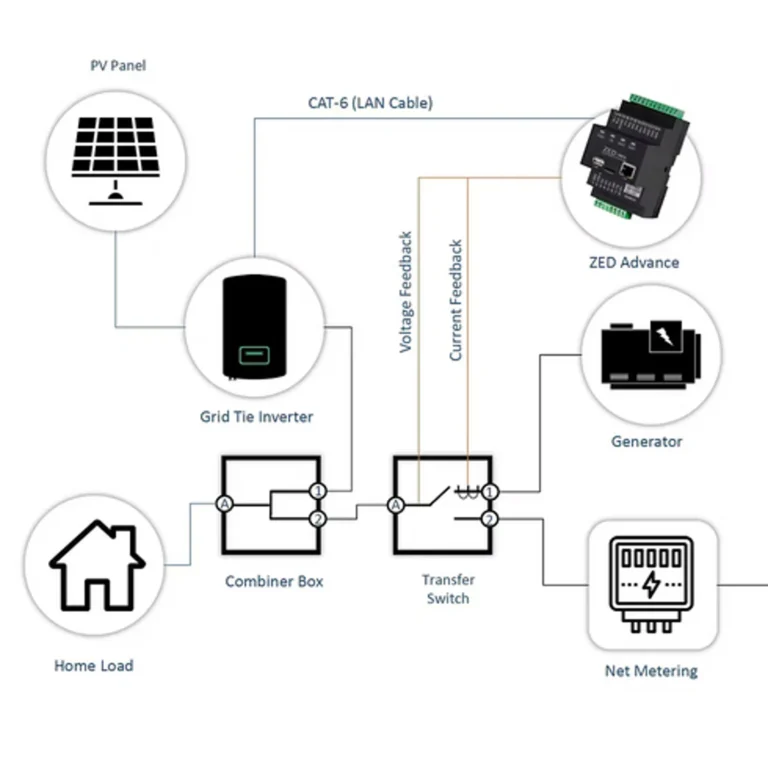
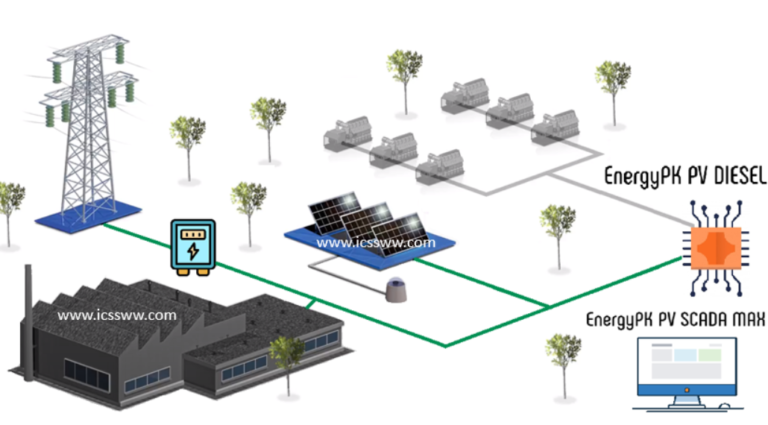
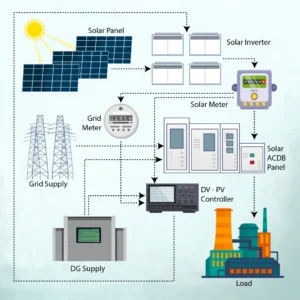
The synchronization between PV-DG is an unidirectional coordination of solar photovoltaic (PV) solar panels as well as diesel generators (DG) to ensure uninterrupted, efficient and reliable power. This allows both energy sources to function together, without conflict maximising efficiency and cutting down on fuel consumption and operating expenses.
This complete, SEO-optimized manual will guide you through all you should learn about synchronization of PV-DG, which includes its working principles advantages, components, applications, challenges and potential for the future. The guide is designed to be simple to comprehend, easy for users and in line with E-E-A -T principles and current SEO practices.
What is PV-DG Synchronization?
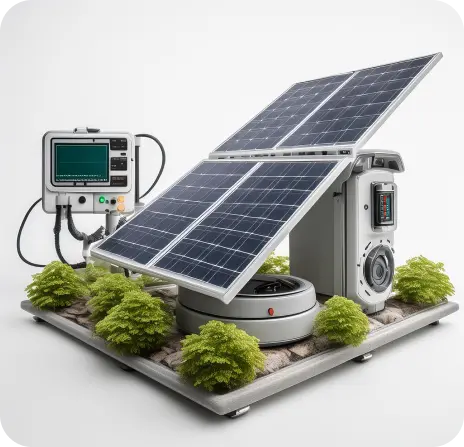
PV-DG synchronization is the procedure that aligns a solar PV array and a diesel generator in order that both generate electricity in parallel or alternately without creating disturbances in the electrical system.
Synchronization ensures:
- Voltage compatibility
- Frequency match
- Phase alignment
- Smooth load sharing
In the absence of proper synchronization, mixing generator and solar power can cause the voltage fluctuating, damage to equipment and the power supply becoming unstable.
Why PV-DG Synchronization is Important
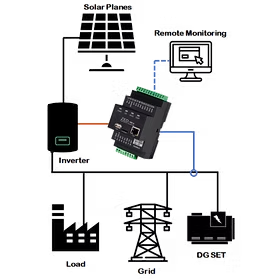
The demand for energy is growing globally and power reliability is essential to every industry. Although solar energy is renewable and economical, it is not able to produce electricity during the late at night or in poor weather conditions. Diesel generators, on contrary, offer reliable backup, but come with the cost of fuel and emissions.
The PV-DG synchronization can bridge this gap, by mixing strengths of the two sources of energy.
Key Reasons for Its Importance
- It ensures a continuous supply of power
- Reduces diesel fuel consumption
- Improves efficiency of energy
- Reduces operating costs
- Encourages the adoption of renewable energy
- Reduces carbon emissions
How PV-DG Synchronization Works
The process of synchronization makes sure that diesel and solar power generators are able to work safely together. It involves synchronizing electrical parameters prior to connecting the two sources.
Step 1: Voltage Matching
The PV inverter as well as diesel generator have to produce the same voltage levels.
Step 2: Frequency Alignment
Inverter’s frequency should be in line with the generator’s frequency.
Step 3: Phase Synchronization
Both systems should have the same phases.
Step 4: Load Sharing
The system decides on how much energy each source of power contributes.
Core Components of PV-DG Synchronization Systems
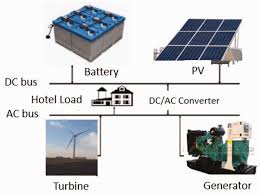
A synched hybrid energy system is based on a variety of key elements working in tandem.
Solar PV Panels
Capture sunlight and convert it to electricity.
Solar Inverter
The converter converts DC electricity into AC electricity that is compatible with generators.
Diesel Generator
It provides backup power or extra power in the event that solar output is low.
Synchronization Controller
Assures frequency, voltage, as well as phase alignment.
Energy Management System (EMS)
Optimizes distribution of energy between generators and solar sources.
Battery Storage System (Optional)
Storing excess solar energy to be used later.
Modes of PV-DG Operation
Different operating modes provide flexibility, based on energy requirements.
Solar Priority Mode
The solar energy is first used. The generator only activates when needed.
Generator Priority Mode
The diesel generator is continuously running while solar decreases the amount of fuel consumed.
Load Sharing Mode
Both systems work simultaneously and share electrical demand.
Island Mode
The system functions independently and without grid support.
Benefits of PV-DG Synchronization
Reduced Fuel Consumption
Solar integration can reduce generator runtime and helps save fuel.
Cost Savings
The lower use of fuel results in lower operating costs.
Improved Power Reliability
Synchronization makes sure that seamless transitions are made from energy source to another.
Extended Generator Lifespan
A balanced load minimizes damage and wear.
Environmental Sustainability
Reduced carbon emissions are a key factor in an environmentally sustainable future.
Energy Efficiency
Energy efficiency can be optimized to reduce waste.
Applications of PV-DG Synchronization
The PV-DG hybrid system is employed in a variety of industries.
Commercial Facilities
Hotels, offices and shopping centers utilize hybrid systems that allow for continuous operations.
Industrial Sites
Warehouses and factories depend on synchronized systems that ensure continuous production.
Remote Locations
Construction sites and communities off-grid can benefit from hybrid solutions for power generation.
Healthcare Facilities
Hospitals require reliable electricity, making synchronization essential.
Telecommunications
Telecom towers make use of PV-DG systems for maintaining the availability of networks.
Challenges in PV-DG Synchronization
Despite the benefits hybrid systems do have problems.
High Initial Investment
The cost of installation can be substantial.
Technical Complexity
Needs expert design and installation.
Maintenance Needs
Regular monitoring helps ensure effectiveness.
Compatibility Issues
Older generators may require modifications.
Role of Smart Controllers in Synchronization
Modern synchronization systems depend on sophisticated controllers that automate the operation.
These control devices:
- Monitor real-time power demand
- Adjust generator output
- Make the most of solar energy
- Be aware of overload conditions.
- Make sure that the operation is safe and efficient.
Smart controllers are vital to optimizing system performance.
Integration of Battery Storage with PV-DG Systems
Battery storage increases the efficiency of hybrid systems by:
- Storing surplus solar energy
- Reducing generator start-stop cycles
- Power backup that is instantaneous
- Improved overall energy stability
Battery integration is becoming more common in hybrid systems of today.
Safety Considerations
Security is essential for the context of synchronized systems.
Important security features include:
- Automated shut-off mechanisms
- Protection against overload
- Monitoring of temperature
- Regulating the voltage
- Professional Installation Standards
Future Trends in PV-DG Synchronization
Hybrid energy’s future seems promising as technology develops.
New trends are:
- AI-driven energy management
- Modern inverter technologies for advanced inverters
- Better battery performance
- Smart grid integration
- Eco-friendly generators and innovations
These advances will enable hybrid systems to be more efficient and cost-effective.
How to Choose the Right PV-DG Synchronization System
Selecting the best system is contingent on a variety of aspects.
Assess Energy Requirements
Know your consumption and load patterns.
Generator Compatibility
Make sure the generator is compatible with the synchronization.
Inverter Efficiency
Performance is improved by higher efficiency.
Controller Capabilities
Advanced controllers allow for better automation.
Scalability
Select systems that permit the possibility of expansion in the future.
Maintenance Tips for Optimal Performance
Regular maintenance helps ensure system reliability.
- Examine the electrical connections
- Clean solar panels
- Update software in the system
- Monitor generator performance
- Schedule professional service
Environmental Impact of PV-DG Synchronization
Hybrid systems can contribute to sustainability by reducing the use of fossil fuels and encouraging renewable energy use. Carbon emissions that are lower help in conservation of energy and environmental protection.
Common Myths About PV-DG Synchronization
Myth 1 The solar and generators are unable to collaborate.
Modern technology is designed to support hybrid operation.
Myth 2 Hybrid systems are too costly
The truth is that long-term savings far exceed initial costs.
Myth 3: Synchronization is dangerous
Truth: Professional installation ensures safety.
Frequently Asked Questions
Solar power could completely take over generators?
Sometimes, but not always. Generators are reliable even in the event of low solar power.
Is PV-DG synchronization appropriate for small-sized companies?
Yes Systems can be tailored to meet the needs of different types of energy.
Does synchronization reduce fuel consumption?
Solar integration reduces diesel consumption.
Does battery storage make sense?
Not required However, it does improve performance.
Conclusion
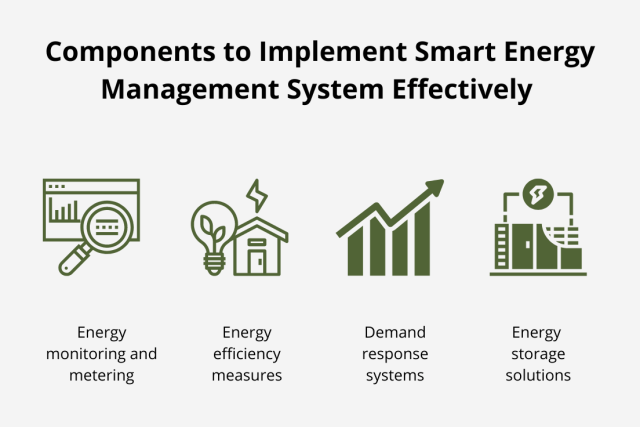
PV-DG synchronization is the future of smart energy management. Combining the long-term energy efficiency of solar power and Diesel generators’ reliability, these hybrid systems offer the perfect balance of effectiveness and reliability.
As the demands for energy continue to increase, synchronization of PV-DG plays a vital role in ensuring cost-effective, stable and ecologically responsible energy solutions. Whether it’s for industrial, commercial or remote applications these hybrid systems for energy are forming an intelligent and resilient energy future.