![Force-V [Into the Future]](https://force-v.co/wp-content/uploads/2025/10/cropped-WhatsApp-Image-2025-10-08-at-10.07.00-AM.jpeg)
PV DG Synchronization – Ensuring Seamless Power Integration for Solar and Diesel Systems
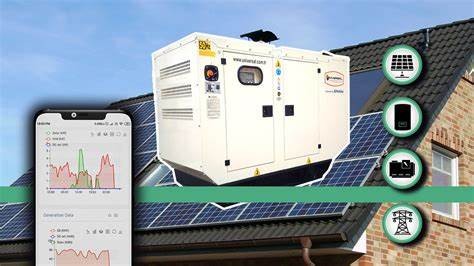
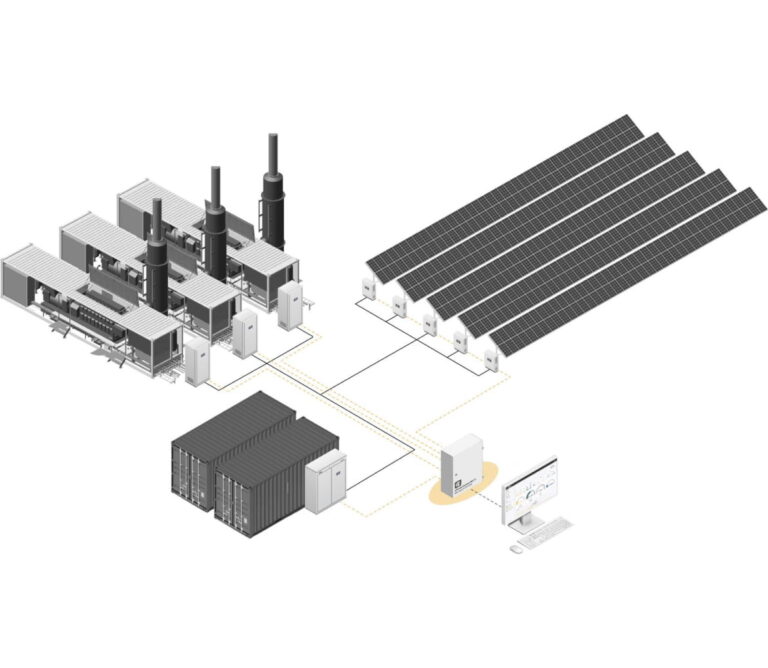
In today’s energy environment Integrating renewable energy together with conventional power sources is essential for efficiency, reliability, and cost-effectiveness. PV DG Synchronization is a key process that enables solar photovoltaic (PV) solar panels to function in conjunction to diesel generators (DG) and ensures continuous energy supply and efficient use.
Commercial buildings, industries and remote facilities are increasingly use hybrid power systems, understanding the synchronization of PV DGs is crucial for energy managers, engineers and operators. This blog will explain the nature of PV DG synchronization and how it operates and what it can do, its advantages, difficulties, and best practices for implementing it successfully.
What Is PV DG Synchronization?
PV DG Synchronization refers to the procedure to align the electric outputs of photovoltaic (solar) system with that of a diesel generator in order each power source can work in perfect harmony. Synchronization assures that the voltage frequency, phase, and voltage of both systems are in sync and prevents damage to equipment, and inefficiency.
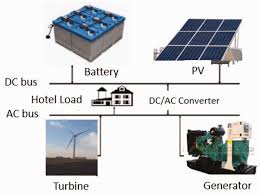
This process is essential in hybrid power systems where solar PV panels are utilized together with diesel generators to supply reliable power in areas that have unsteady grids and off-grid locations and industrial installations.
Why PV DG Synchronization Is Important
- seamless Power Supply
Synchronization allows for an uninterrupted transition between the power of PV and diesel-generated electricity. This prevents interruptions in switching, particularly during critical processes. - Protection of Equipment
Systems that are not synchronized could cause fluctuations in frequency, surges, and phase conflicts that can lead to damage to generators, inverters, as well as connected loads. - Optimized Energy Utilization
With synching DG and PV solar energy, solar power can be optimized, thereby reducing the use of diesel and also reducing the operational cost. - Grid Stability Hybrid Systems
When hybrid grids are used, synchronization helps stabilize the frequency and voltage, making sure that each source is contributing in a harmonious manner without affecting the connected equipment.
How PV DG Synchronization Works
PV synchronization with DG involves a variety of technical elements to match the solar inverter to diesel generators:
1. Voltage Matching
The inverter’s output voltage has to be at the same level as the diesel generator’s voltage prior to connecting to the loads. Automatic voltage regulators (AVRs) often handle voltage adjustments.
2. Frequency Matching
The frequency of the inverter must be synchronized with generator frequency in order to avoid electrical conflicts. Incorrect frequency can cause loading oscillations, or even system trip.
3. Phase Matching
The direction of the PV unit must be in line with that of the diesel generator. A phase deviation can lead to over-loading, circulating currents as well as voltage fluctuations.
4. Synchronizing Control System
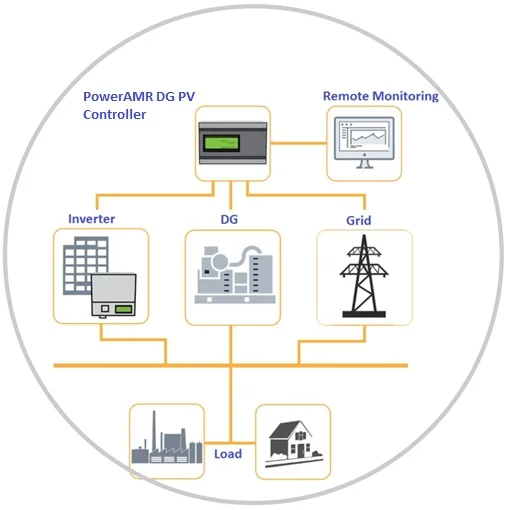
Modern systems utilize microprocessor-based controllers which constantly monitor frequency, voltage and the phase. Once alignment is achieved the PV system is able to effectively supply power to the generator.
5. Automatic Transfer
After synchronization after synchronization, the PV system as well as diesel generator will operate in tandem or switch seamlessly according to load demand and solar power availability.
Benefits of PV DG Synchronization
Reduced Diesel Consumption
Through permitting solar panels to provide energy during the most intense sunlight hours Diesel generators are able to run less often, which reduces costs for fuel.
Improved Reliability
Hybrid PV-DG systems guarantee continuous power in the event of grid disruptions or cloudsy days.
Extended Equipment Life
Smooth synchronization minimizes damage to generators as well as inverters, extending their life span.
Eco-Friendly Operation
Reducing diesel usage lowers greenhouse gas emissions, making PV DG systems more sustainable.
Cost Efficiency
Lower fuel consumption, low cost of maintenance, and a more efficient energy usage result in savings over the long term.
Applications of PV DG Synchronization
Synchronization of PV DG is crucial for a myriad of sectors and applications:
- Industries Continuous operations require hybrid energy solutions to avoid the possibility of downtime.
- The remote Areas & Islands: Off-grid websites benefit from the reliability of hybrid power, which reduces dependence on transporting fuel.
- Hospitals & Critical Facilities Power that is uninterrupted is vital for emergency and healthcare.
- Commercial buildings Hotels, offices and shopping malls integrate PV-DG systems to reduce the energy consumption of buildings.
- Microgrids Community-level hybrid grids located in remote or rural areas rely on synchronized PV-DG settings to ensure stability.
Challenges in PV DG Synchronization
While it is beneficial, PV DG synchronization comes with technical issues:
- Frequency fluctuations
Generators powered by diesel might experience minor frequency variations and require advanced inverter control. - load management
The ability to balance output of the PV system with load on generators is vital to avoid over- or under-utilization. - Phase Incorrect Phase
A wrong phase alignment may cause the circulating of currents and voltage instability. - Complexity of Control Systems
Integration of controllers to control frequency, voltage and phase synchronization demands exact measurement and monitoring. - maintenance requirements
Regular inspection of the equipment used to synchronize is essential to ensure that the equipment is operating smoothly.
Best Practices for PV DG Synchronization
To ensure maximum efficiency and the reliability of your system, you should follow these top techniques:
- Utilize advanced inverters
Contemporary grid-tied inverters that can synchronize facilitate parallel operation using DGs. - regular maintenance
Regular testing of inverters, generators and synchronization controllers guarantees steady operation. - The Load Analysis
Study load patterns to improve switch between PV as well as DG sources. - Automatic Control System
Utilize intelligent controllers that track real-time voltage, frequency and phase, to ensure continuous sync. - Operator Education
Personnel who are trained are able to manage hybrid systems efficiently and deal with operational irregularities.
Future of PV DG Synchronization
As renewable energy adoption increases and PV DG synchronization becoming more sophisticated, PV DG synchronization will become more sophisticated.
- Smart Hybrid Microgrids Control systems based on AI will improve power distribution between DG, PV, and batteries.
- Energy Storage Integration: Coupling PV-DG with batteries improves the reliability of generators and also reduces run time.
- Remote Monitoring and IoT Data analytics in real-time can improve predictive maintenance and optimization of the system.
- Grid Interactive systems Synchronization of the grid will enable the dynamic power balance as well as demand response.
These innovations are expected to help make hybrid systems more efficient, economical, and sustainable.
Frequently Asked Questions
Are PV systems able to run without diesel generators?
Yes, but timing is crucial to avoid harm and to ensure the efficacy.
Does PV DG synchronization appropriate to be used in small systems?
Absolutely. Even tiny hybrid systems benefit from synchronization to ensure smooth operation.
What equipment is required for the synchronization?
The most important components are inverters that have the ability to synchronize as well as voltage regulators, phase detectors and control units.
How often should the equipment for synchronization be checked?
Maintenance is recommended regularly every 6-12 months, based on the system’s load and the environmental conditions.
Conclusion
PV DG sync is the foundation in hybrid power systems which blend diesel and solar power. It facilitates seamless integration, increases the reliability of the system, decreases fuel consumption and helps protect valuable equipment. For hospitals, industries remote communities, as well as commercial buildings, synchronized PV DG systems a
As the adoption of renewable energy grows and the need for more advanced technology for synchronization will continue to increase, which will make hybrid PV-DG systems a crucial component of modern energy strategies. By knowing the synchronization process, optimizing control and implementing best practices, companies are able to maximize the benefits in hybrid systems.re a sustainable cost-effective, efficient, and economical solution.