![Force-V [Into the Future]](https://force-v.co/wp-content/uploads/2025/10/cropped-WhatsApp-Image-2025-10-08-at-10.07.00-AM.jpeg)
PV DG Synchronization: A Complete Guide to Seamless Solar and Diesel Generator Integration
PV DG sync is quickly becoming an essential solution for companies, industries and commercial facilities that want to cut down on fuel expenses and improve reliability of power and shift towards green energy without sacrificing performance. As energy requirements increase and prices for fuel fluctuate, the combination of the power of photovoltaic (PV) sunlight together with diesel generators (DG) by synchronizing them intelligently guarantees uninterrupted power and maximizes efficiency.
In this comprehensive guide, we’ll look at the synchronization process of PV DG and why it is important as well as how it’s done with its advantages, drawbacks and the best methods. This guide is designed to assist engineers, decision makers facilities managers, engineers, and energy professionals comprehend the concept without technical jargon.
Understanding PV DG Synchronization
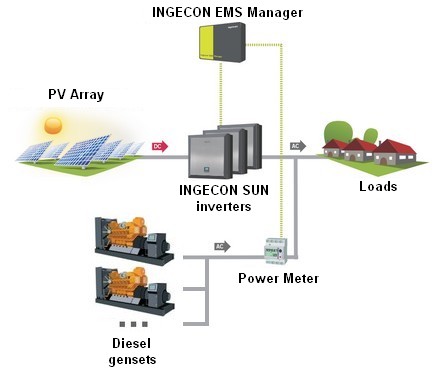
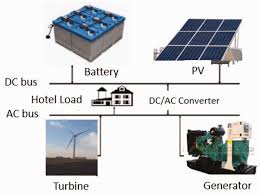
Synchronization of PV DG is the procedure of running the solar photovoltaic array and diesel generator in a coordinated manner to provide energy to a load. Instead of relying only on solar energy or diesel fuel in isolation, synchronization enables both sources to efficiently share load.
The system ensures it is solar energy used first, and diesel generators support the load in times of high need or in cases where solar power is not sufficient. The result is a reliable efficient, economical, and affordable energy system that is a hybrid.
Why PV DG Synchronization Is Important Today
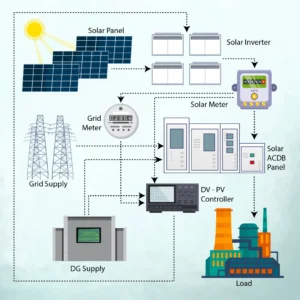
Sustainability and reliability in energy are no longer an option. Businesses need continuous power, yet the costs of fuel and environmental issues are increasing. PV DG sync addresses both issues through establishing an energy ecosystem that is balanced.
Solar energy cannot be guaranteed uninterrupted power due to the dependence of weather. Diesel generators are reliable, however but costly and polluting when used in excess. Synchronizing both systems guarantees high reliability and avoids unnecessary consumption of fuel.
How PV DG Synchronization Works
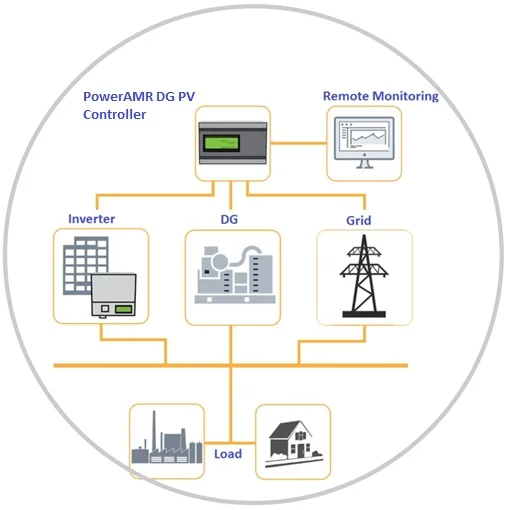
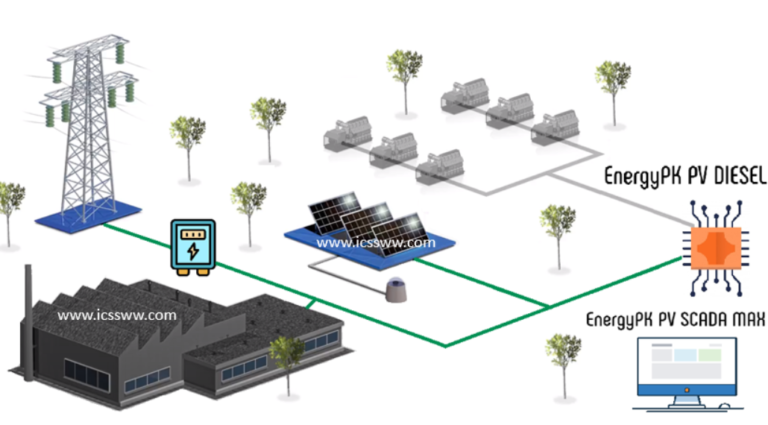
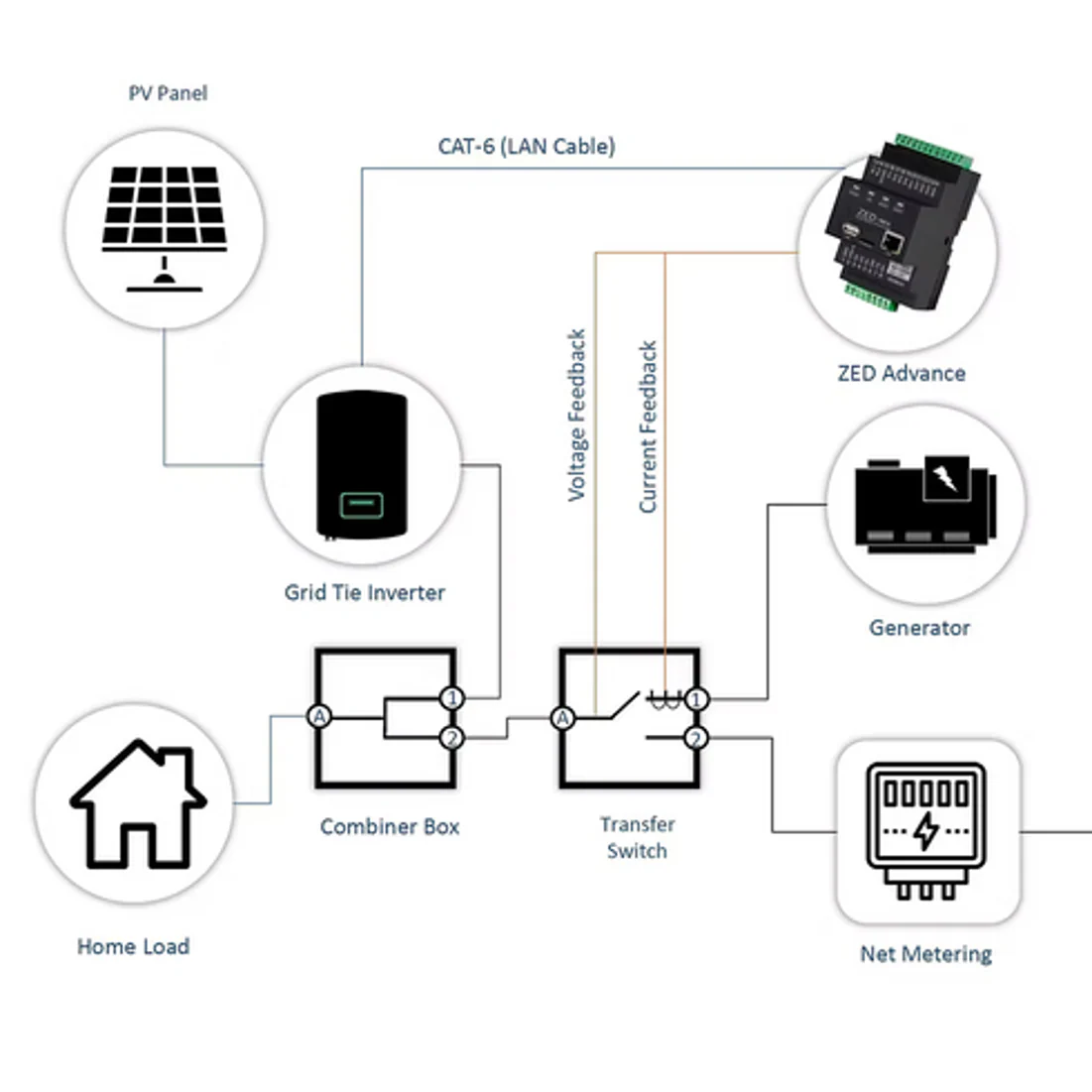
PV DG sync is achieved by using advanced controllers and power electronics that control the interactions between diesel and solar inverters. generators.
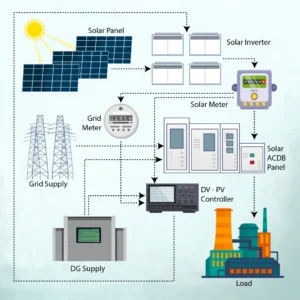
A solar panel system produces electricity during the daylight hours. If solar power is sufficient or exceeds load requirements the diesel generator reduces output or stops completely. If the solar power is reduced due to cloud cover or evening darkness, the generator increases its output to keep the supply.
The synchronization controller makes sure:
- Matching of voltages
- Stability of frequency
- Load sharing
- Smooth transitions with no interruption of power
This smart coordination helps prevent unstable systems and safeguards delicate equipment.
Key Components of a PV DG Synchronization System
A well-designed PVDG sync system is built on several connected components that work seamlessly.
Solar PV Array
The solar panels produce DC electricity by capturing sunlight, and are the main renewable energy source of the system.
Solar Inverter
Inverters convert DC electricity into AC power that is compatible with the generator’s requirements and load. In synchronization systems that are advanced, inverters are employed that communicate with the controller of the generator.
Diesel Generator
The generator supplies an additional source of power as well as backup when the solar output is not sufficient. The generator’s performance is optimized to function at optimal load levels.
Synchronization Controller
It is the brain of the system. It is responsible for load sharing starting-stop technology, quality of power as well as safety locks.
Protection and Monitoring Devices
They ensure stability of the system they also ensure fault detection and real-time tracking of performance.
Types of PV DG Synchronization Systems
PV DG synchronization methods aren’t an all-purpose solution. Different configurations are utilized based on the load profile.
AC-Coupled Systems
When a system is AC coupled, the PV inverter as well as the diesel generator are connected to both the AC side. This is a common configuration in retrofit projects in which generators are already in place.
DC-Coupled Systems
In DC-coupled systems solar energy is controlled through the DC side before being converted. These systems have higher efficiency however they are more complex.
Hybrid Microgrid Systems
These systems incorporate the PV system, DG batteries and occasionally grid power into one microgrid, allowing maximum flexibility and durability.
Benefits of PV DG Synchronization
Reduced Fuel Consumption
One of the major benefits of synchronization with PV DG is significant savings on fuel. The solar energy counterbalances diesel use which reduces operating expenses.
Lower Carbon Emissions
In reducing generator runtime emissions are dramatically decreased, thereby assisting in the goals of sustainability and environmental compliance.
Improved Generator Efficiency
Diesel generators are most efficient in the optimal load ranges. Synchronization is a way to prevent operation at low loads which can cause the engine to wear and wet stacking.
Enhanced Power Reliability
The system guarantees uninterrupted power supply throughout solar variations or generator changes.
Extended Equipment Lifespan
The reduction in generator running time results in lower maintenance requirements and a longer life of the generator.
PV DG Synchronization in Industrial Applications
Industries that run continuously profit greatly by PV DG synchronization. Textile mills, manufacturing plants and cement factories as well as processing units typically have large energy requirements.
By integrating solar technology into existing generator infrastructure, businesses can cut operational costs while ensuring stable production. The synchronization mechanism ensures that the quality of power remains constant which protects machinery and sensitive electronic equipment.
Commercial Use Cases of PV DG Synchronization
Commercial structures like malls, hospitals data centers, hospitals, and hotels depend heavily on continuous power.
PV DG Synchronization enables this facility to:
- Make sure backups are ready
- Lower electric bills
- Meet green energy standards
- Increase brand recognition by ensuring sustainable practices
Hospitals in particular have the benefit of smooth power-transitions that do not risk the safety of patients.
PV DG Synchronization for Remote and Off-Grid Areas
In remote areas in which grid power is not available or not reliable PV DG synchronization can provide the most reliable energy solution.
Mine sites, telecom towers rural communities, construction camps are often dependent upon diesel-powered generators. By synchronizing solar PV, it helps reduce fuel logistics issues and operating expenses while increasing the energy independence of.
Load Management in PV DG Synchronization
Effective load management is vital to ensure a successful synchronization of PV DGs.
The controller focuses on solar energy, and then dynamically alters the output of generators based on the current demand. This helps to:
- There is no reverse flow of power.
- A stable frequency, voltage and frequency
- Power sharing that is efficient
Advanced systems also remove unnecessary loads in extreme conditions in order to keep stability.
Challenges in PV DG Synchronization
Despite its advantages, PV DG synchronization is not without operational and technical issues.
System Design Complexity
A flawed system can result in instability and frequent generator tripping or problems with the inverter.
Compatibility Issues
Inverters and generators are not all compatible. are compatible. A careful selection is crucial.
Control Logic Errors
A synchronization error could result in power fluctuations or poor generator operation.
Initial Investment Cost
The initial costs of advanced inverters and controllers could be higher, however long-term savings are worth the investment.
Best Practices for PV DG Synchronization
In order to ensure optimal performance to ensure optimal performance, certain best practices should be observed.
Proper Load Assessment
The understanding of the load profile is crucial to ensure the correct sizing of the system.
Quality Equipment Selection
The use of reliable inverters, controllers and generators guarantees long-term reliability.
Professional Commissioning
Expertly commissioned commissioning ensures that synchronization parameters are properly configured.
Regular Monitoring and Maintenance
Continuous monitoring allows you to spot problems early and help maintain the system’s efficiency.
Role of Energy Management Systems in PV DG Synchronization
Modern PV DG system synchronization often include Energy Management Systems (EMS).
The platforms for EMS provide:
- Performance insights in real-time
- Alerts for maintenance that are predictive
- Analysis of fuel consumption
- Solar utilization tracking
These systems improve decision-making and operational transparency.
Economic Impact of PV DG Synchronization
From a financial point of view, PV DG synchronization delivers high yields.
Saving on fuel, lower maintenance costs and a lower time to payback contribute to faster payback times. Many companies can recover their investment in a couple of years while benefitting from the long-term savings in operational costs.
Environmental and Regulatory Advantages
As environmental authorities introduce more stringent rules, PV DG synchronization helps businesses to stay in compliance.
The reduction in emissions, the lessening of noise pollution, and increased energy efficiency help sustain the sustainability report and other corporate responsible initiatives.
Future Trends in PV DG Synchronization
Future of PV DG Synchronization is developing quickly due to technological advances.
AI-Based Load Forecasting
Artificial intelligence can help with intelligent load management that is predictive and more efficient generator scheduling.
Battery Integration
Combining PV DGs with batteries Synchronization also reduces the need for fuel and increases stability.
Smart Grid Compatibility
In the near future, systems that are able to interface with smart grids as well as demand-response programs.
Why PV DG Synchronization Is a Smart Investment
PV DG Synchronization of PV is not only an energy solution, it’s a strategic investment. It helps bridge gaps between solar energy generation and traditional power generation, bringing efficiency, reliability and environmental sustainable development.
Companies that adopt this technology gain an advantage due to lower operating expenses along with improved resilience and environmental accountability.
Final Thoughts on PV DG Synchronization
PV DG Synchronization is the next phase in hybrid systems. Through a clever combination of solar power and diesel generators, businesses are able to provide uninterrupted power, while significantly decreasing the dependence on fossil fuels and emissions.
In industrial plants or commercial facilities, as well as remote locations, this technology offers tangible advantages in the performance, cost efficiency and environmental sustainability. When properly planned, implemented and ongoing maintenance, PV DG synchronization can become an effective instrument to manage modern energy.