![Force-V [Into the Future]](https://force-v.co/wp-content/uploads/2025/10/cropped-WhatsApp-Image-2025-10-08-at-10.07.00-AM.jpeg)

Energy Management System: A Complete Guide to Smarter Energy Control and Efficiency
A Energy Management System is among the most crucial solutions for companies, industries and other institutions seeking to manage energy consumption to reduce costs and run more sustainably. As energy costs increase and environmental issues become more urgent managing energy efficiently is no longer an option but is a requirement.
The Energy Management System helps organizations to monitor, analyze and improve energy efficiency across buildings, equipment and other processes. Through the use of precise information and sophisticated controls, it allows decision makers to boost efficiency while preserving efficiency, comfort and efficiency.
What Is an Energy Management System?
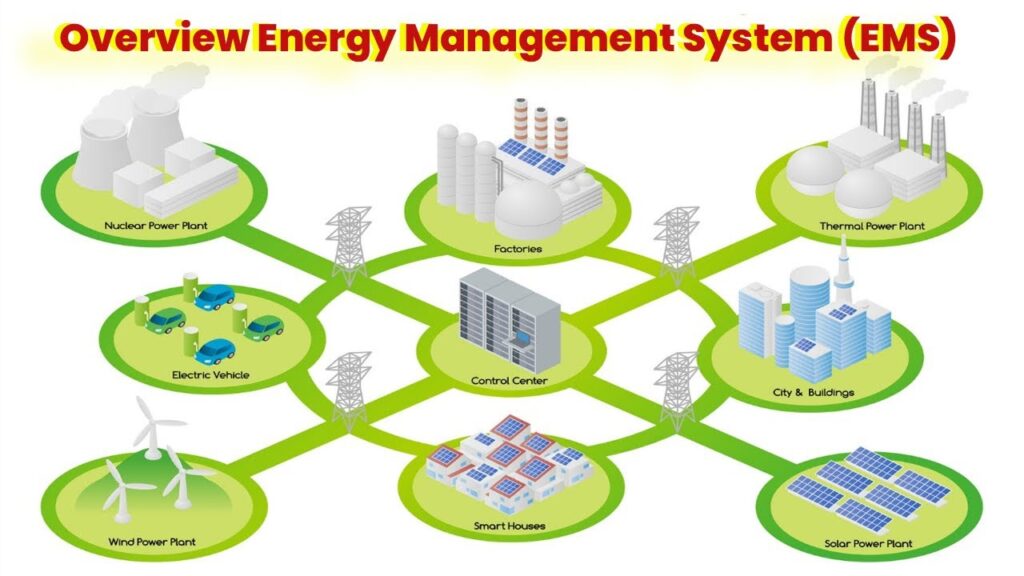
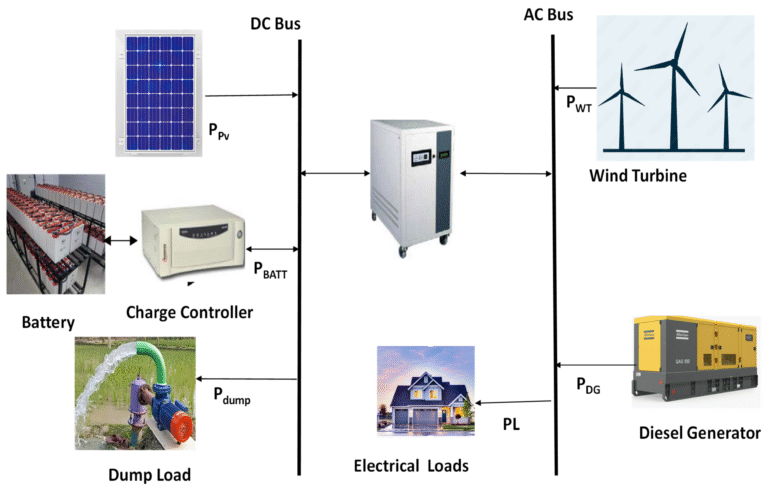
A energy Management System (EMS) is a systematic approach which uses hardware, software as well as operational methods to monitor and manage energy consumption. It tracks energy consumption in real time, analyses consumption patterns, and gives information that can help cut down on energy waste and increase efficiency.
The Energy Management System can be utilized in factories, commercial buildings and medical facilities, schools and even massive infrastructure projects. Its primary purpose is to make sure that the energy used is utilized effectively, efficiently and at a reasonable cost.
Why Energy Management Systems Are Important Today
Globally, energy consumption is rising because of digitalization, urbanization and the growth of industrialization. If energy consumption is not properly controlled, costs can increase quickly and eventually become a huge financial burden.
The Energy Management System helps organizations:
- Reducing unnecessary energy use
- Lower fuel and electricity costs
- Enhance efficiency in operations
- Reach sustainability and environmental goals
- Follow the energy regulations
When they understand the energy consumption process companies gain the ability to make educated choices.
How an Energy Management System Works
A Energy Management System works by continuously collecting energy information from sensors, meters and other devices. The data is analysed and displayed in Dashboards, reports and other dashboards.
The system detects patterns, detects inefficiencies and pinpoints places where power is wasted. Based on this data users can then make corrective steps like adjusting schedules for equipment as well as upgrading systems or altering operational behaviour.
Key Components of an Energy Management System
A Energy Management System is made by a variety of components that function together.
Energy meters monitor the amount of gas, electricity, and water consumption.
Sensors track the temperature, occupancy, as well as the efficiency of equipment.
Software platforms analyze the data and create report.
Control systems regulate energy usage by hand or automatically.
Together, these components offer complete control and visibility into the consumption of energy.
Types of Energy Management Systems
There are various types of Energy Management Systems designed for specific settings.
Building Energy Management System
An Building Energy Management System focuses on HVAC, lighting and electrical systems used in residential and commercial structures. It helps to ensure comfort while reducing energy consumption.
Industrial Energy Management System
A Industrial Energy Management System monitors machines production lines, machines, and other processes. It assists factories in reducing costs for energy without affecting quality or output.
Enterprise Energy Management System
A high-end enterprise Energy Management System manages energy consumption across several locations and sites. It is a great choice for large companies with complicated operations.
Benefits of Using an Energy Management System
A Energy Management System provides long-term advantages that go beyond the savings in cost.
It increases the visibility of the energy consumption.
It supports better forecasting and budgeting.
It enhances the efficiency of equipment and its life span.
It reduces carbon emissions as well as environmental impacts.
These advantages are what make the Energy Management System a valuable investment.
Energy Cost Reduction Through Smart Monitoring
One of the greatest benefits associated with an Energy Management System is cost reduction. Through identifying times of peak usage and equipment that is not efficient, businesses can immediately take action.
Simple adjustments like shifts in load, equipment scheduling and optimization of performance can yield substantial savings over the course of time.
Role of Automation in Energy Management Systems
Contemporary Energy Management Systems use automation to monitor energy use without the need for constant human involvement.
Automated controls may:
- Shut off the equipment when it is it is not being used.
- Change lighting according to occupancy
- Automate the heating and cooling process.
Automation increases efficiency and decreases human errors.
Energy Management System and Sustainability Goals
Sustainability is a top priority for many companies. A Energy Management System supports sustainability by cutting down on energy waste and reducing emissions.
By monitoring the performance of energy companies can gauge the progress towards environmental goals and demonstrate responsible energy usage.
Data Analytics in Energy Management Systems
Data analytics are the basis of any Energy Management System. Advanced analytics convert data into useful insight.
Analytics can help detect patterns, identify anomalies, and forecast future energy requirements. This enables companies to make better plans and prevent unexpected expenses for energy.
Energy Management System for Commercial Buildings
Commercial buildings use large amounts of energy because of air conditioning, lighting, as well as office furniture.
The Energy Management System helps building managers stay comfortable while reducing consumption. It also enhances the satisfaction of tenants and efficiency of operations.
Industrial Applications of Energy Management Systems
In industrial settings the energy cost is usually one of the biggest operating expenses.
A Energy Management System helps industries control heavy machinery, decrease the time between breakdowns, and increase the efficiency of production. This can result in lower expenses and better profitability.
Energy Management System for Smart Cities
Smart cities are heavily dependent upon Energy Management Systems to manage the public infrastructure.
Transportation systems, street lighting as well as public buildings benefit from central energy management. This increases efficiency and decreases public expenditure.
Compliance and Regulatory Support
The energy regulations are getting more stringent in a variety of regions.
The Energy Management System helps organizations meet the energy standards as well as reporting obligations. Data that is accurate ensures the transparency of your organization and ensures accountability.
Challenges Without an Energy Management System
Organizations that do not utilize the Energy Management System often face the same problems.
Energy bills that are unpredictable and costly
There is no information about energy consumption
Inefficiency is difficult to identify
Control of the consumption of energy
A Energy Management System addresses these issues efficiently.
Integration of Existing Systems
Modern Energy Management System can integrate with existing building management systems, industrial control and IT systems.
This integration allows for a smooth data flow and better coordination between departments.
Security and Reliability of Energy Management Systems
Security is a crucial element to the entire Energy Management System.
Data security, access control and reliability of the system ensure that energy data remains reliable and secure. Reliable systems maintain consistent performance.
Future Trends in Energy Management Systems
Energy Management Systems continue to change with the advances in the advancement of technology.
Artificial intelligence allows for smarter decision-making.
Cloud platforms enhance scalability and accessibility.
Predictive analytics help improve energy forecasting.
These improvements help to make Energy Management Systems more powerful and efficient.
Choosing the Right Energy Management System
The best Energy Management System depends on the requirements of the organization.
Take into consideration system scalability, ease of use, accuracy of data as well as long-term support. The best system will yield more results and a higher ROI.
Energy Management System as a Business Strategy
The Energy Management System is not an only technical solution; it’s a strategic tool.
It helps control costs as well as sustainability and operational efficiency. Businesses that effectively manage energy have a competitive edge.
Final Thoughts on Energy Management Systems
The An Energy Management System plays a crucial role in regulating consumption of energy, cutting expenses, and helping sustain operations. With real-time data analysis, automation, and data which empowers businesses to make better energy choices.
In a time when efficiency in energy is directly related to the profitability of a business and its environmental responsibility the adoption of An Energy Management System is a progressive step towards achieving sustainable success.