![Force-V [Into the Future]](https://force-v.co/wp-content/uploads/2025/10/cropped-WhatsApp-Image-2025-10-08-at-10.07.00-AM.jpeg)
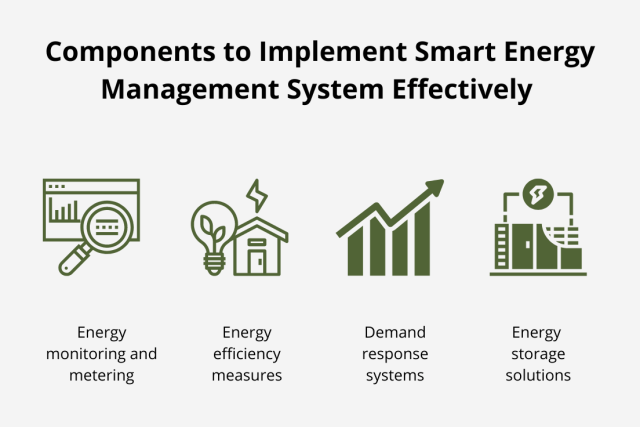
Energy Monitoring System: The Smart Way to Control, Analyze, and Reduce Energy Consumption
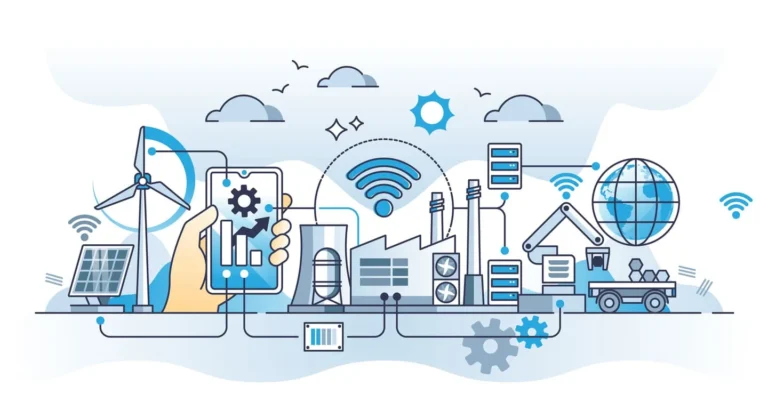
The need for an energy Monitoring System is no more a luxury. It is now a requirement for companies, industries as well as modern homeowners who want to have greater control over their power consumption as well as lower costs and sustainable operation. As energy costs increase and environmental regulations get more stringent companies that do not monitor their energy usage are at risk of financial loss and operational inefficiencies.
This guide provides everything you must learn concerning the energy Monitoring System, how it functions, why it is important and how it will help decrease energy waste while enhancing the quality of your decisions.
What Is an Energy Monitoring System?
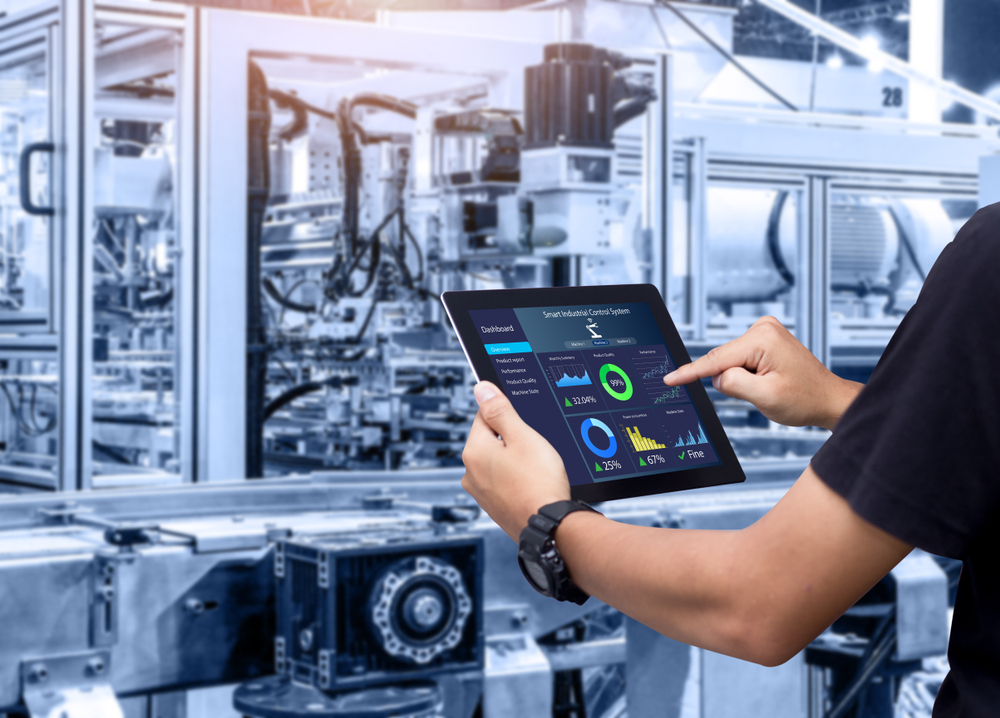
The energy Monitoring System is a intelligent technology solution that constantly monitors, measures and analyzes the consumption of electricity in real-time. It offers detailed insight into what, when and where energy is being utilized across structures, equipment or whole facilities.
Instead of having to rely on utility bills that are monthly instead, the Energy Monitoring System delivers live data, reports from the past, along with performance indicators that permit users to detect weaknesses, spot faults, and maximize energy use.
Why Energy Monitoring Systems Are More Important Than Ever
The cost of energy is rising across the globe and businesses are under pressure to work efficiently and minimize the carbon footprint. A Monitoring System for Energy Monitoring System helps organizations achieve this goal by providing visibility into the patterns of energy use.
The energy waste that is not monitored is often not noticed. Poor equipment, power leaks or inefficient processes can drain resources in a silent manner. With an efficient Energy Monitoring System, these issues can be identified earlier which saves money while increasing the system’s reliability.
How an Energy Monitoring System Works
A Energy Monitoring System works by collecting electrical data from a variety of sources and then transforming it into actionable information.
Smart sensors and meters are put in at energy-intensive points, like main equipment, supply panels or even individual circuits. The sensors collect information like voltage, current power factor, consumption levels.
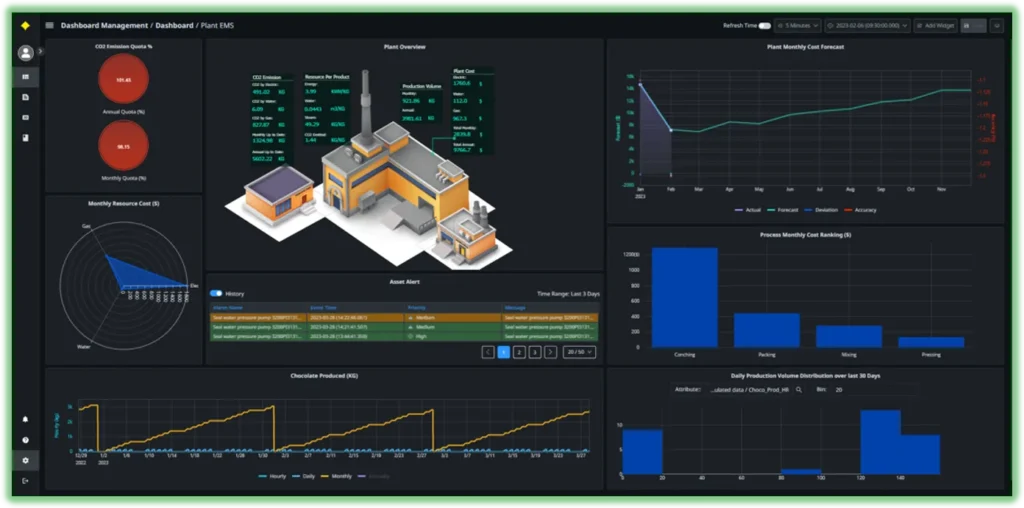
Then, the data is sent to a central database that analyzes the data and interpreted via dashboards, charts, and reports. This lets users track the energy efficiency in real-time and over longer time.
In the end, notifications and alerts provide users with information about unusual utilization or peak demand issues or system malfunctions.
Core Components of an Energy Monitoring System
A energy Monitoring System typically includes hardware as well as software and communication technology which work seamlessly.
The hardware layer comprises the current transformers, energy meters sensors, as well as data loggers. These components are responsible for determining electrical parameters precisely.
The software layer process the data collected and displays it to users in an easy-to-use interface. It comprises dashboards reports, analytics tools, reports modules, and alert systems.
The layer that communicates ensures safe data transmission between devices and the central platform. This is usually by using wireless or wired protocols.
Types of Energy Monitoring Systems
The energy Monitoring System can be implemented in various forms based on the requirements.
Residential energy monitoring systems are focused on analyzing household electricity consumption to help homeowners save money and boost energy efficiency.
The commercial systems for monitoring energy are made to be used in retail and office spaces and commercial buildings in which numerous loads and peak demand charges must be monitored.
Systems for monitoring energy in industrial settings manage complex processes using massive machines, production lines and high power consumption. They also provide high-end analysis as well as fault-detection.
Key Features of an Advanced Energy Monitoring System
Modern Energy Monitoring System offers much more than simply readings of energy.
Real-time monitoring provides instant insight into the power consumption, which can help to prevent unexpected power outages and overloads.
Historical data analysis allows for the identification of trends and allows for comparisons across months, days, or even years.
Automated alerts inform users when the energy consumption exceeds a predefined threshold.
Load profiling can help determine peak demand times and helps optimize the operational schedules.
Energy reporting helps audits, compliance and sustainability objectives.
Benefits of Using an Energy Monitoring System
The benefits of installing the Energy Monitoring System extend beyond the cost savings.
Energy savings can be attained through identifying waste and optimizing the use.
Increased efficiency in operation results from improved equipment performance and less downtime.
Predictive maintenance can be achieved by finding out early signs of abnormal energy patterns.
Sustainable goals are supported by reducing carbon emissions as well as energy waste.
Improved decision-making is made possible by precise data and insight.
Energy Monitoring System for Businesses
A business’s Energy Monitoring System is a effective tool to increase profitability as well as operational efficiency.
It aids organizations in determining which machines or departments use the most energy.
Businesses can move loads out of peak hours to avoid charge for demand.
Managers gain insights from data to aid in strategic planning and investment decisions.
The Energy Monitoring System also supports the compliance with energy regulations as well as reporting requirements.
Energy Monitoring System in Industrial Environments
In industrial settings, energy usage is tightly linked to the efficiency of operations and costs.
A energy Monitoring System identifies inefficient machines or loads that aren’t balanced, as well as problems with the quality of power.
Manufacturers can adjust their production schedules in relation to availability of energy and the cost.
Equipment failures that are not expected can be prevented by monitoring the equipment continuously and delivering early alerts.
Systems for monitoring energy in the industrial sector often incorporate automation and control systems to ensure maximum effectiveness.
Energy Monitoring System for Smart Buildings
Smart buildings are heavily dependent upon the Energy Monitoring System to maintain the efficiency and comfort of.
HVAC, lighting as well as electrical system are continuously monitored and adjusted.
Building managers can keep track of the energy use of each zone, floor or the tenant.
Energy performance benchmarking is a way to increase the rating of buildings and certificates.
A Energie Monitoring System enhances occupant comfort while reducing energy waste.
Role of Energy Monitoring System in Sustainability
Sustainability is a key concern for modern companies which is why a Energy Monitoring System plays a vital part.
It is a reliable method of noting carbon footprints.
Organizations can monitor progress towards the reduction of energy consumption targets.
Energy monitoring is a key element to support the integration of renewable energy sources and efficient energy usage.
Transparent energy reporting increases trust with regulators and stakeholders. institutions.
Energy Monitoring System and Cost Optimization
Cost optimization is among the main benefits that comes with the Energy Monitoring System.
When they identify peak times for usage users can apply strategies for managing demand.
Leaks in energy and standby power consumption can be easily identified and cured.
Better forecasting and budgeting are feasible with the help of accurate consumption data.
The energy Monitoring System helps maximize return on investments in energy.
Data Accuracy and Reliability in Energy Monitoring Systems
The accuracy of the operation of any Energy Monitoring System.
The high-end sensors guarantee exact measurements.
Regular calibration maintains data integrity.
The reliability of data allows for confident decision-making and reliable reporting.
A designed and well-constructed Energy Monitoring System ensures consistent and reliable performance.
Energy Monitoring System and E-E-A-T Compliance
Expertise, Experience, authority, and trust are vital for the development of contemporary content and solutions.
The Energy Monitoring System demonstrates expertise by providing data-driven insight.
Certifications and standards for industry enhance the authority of the system.
Transparent reporting helps build trust between the stakeholders and users.
Actual use and results boost the credibility.
Integration of Other Systems
A energy Monitoring System often integrates with other technologies.
Building management systems benefit from sharing information.
Systems for enterprise resource management employ energy data to calculate costs.
IoT platforms improve automation in remote surveillance.
Integration enhances the overall efficiency of operations.
Challenges in Energy Monitoring System Implementation
Even though the Energy Monitoring System offers many advantages, there are also challenges that could arise.
Initial setup costs could be a problem, however the long-term benefits outweigh them.
Data overload requires the right analysis tools and a skilled workforce.
Scalability of the system must be considered with care.
The right choice will guarantee longevity and success.
How to Choose the Right Energy Monitoring System
Selecting the appropriate Energy Monitoring System depends on many aspects.
System scalability must be compatible with the future growth plans.
Data visualization needs to be easy and easy to use.
Reliability and accuracy are crucial.
Support and maintenance should be provided.
A well-chosen Energy Monitoring System delivers lasting value.
Future Trends in Energy Monitoring Systems
Future of Energy Monitoring System Energy Monitoring System is driven by the latest technology.
Artificial intelligence allows the use of predictive analytics as well as smarter insights.
Machine learning helps detect anomalies.
Cloud platforms improve access and scalability.
Modern energy monitors will advance as technology advances.
Energy Monitoring System and Renewable Energy
Renewable energy sources greatly benefit of a Energy Monitoring System.
Wind and solar energy generation can be monitored and improved.
The performance of energy storage is effectively monitored.
Grid interaction is effectively managed.
Monitoring of energy consumption ensures maximum efficiency of renewable energy.
Common Misconceptions About Energy Monitoring Systems
Many believe that an Energy Monitoring System is only used by large companies, but this isn’t the case.
Others believe that the energy monitoring process is too complicated or costly.
The latest systems can be used by anyone and can be scaled.
Energy monitoring is appropriate for businesses of any size.
Best Practices for Using an Energy Monitoring System
To maximize the benefits of when using an Energy Monitoring System, best techniques are to be observed.
Establish clear goals for energy and set benchmarks.
Check data frequently and make use of findings.
Training staff to comprehend the energy reports.
Continuously improve your energy strategies.
Real-World Impact of an Energy Monitoring System
Companies that use the Energy Monitoring System often experience substantial improvements.
The cost of energy is reduced in a few months.
Efficiency in operations improves noticeably.
Equipment lifespan improves due to proactive maintenance.
Sustainable goals become feasible.
Final Thoughts on Energy Monitoring System
The An Energy Monitoring System is a effective solution to control the use of energy, reducing expenses, and helping to achieve sustainable goals. It converts energy data into useful information that can be used to make better choices and improve efficiency over the long term.
As the energy-related challenges increase, implementing to implement an Energy Monitoring System is not simply a smart choice but an essential requirement. For commercial, residential or industrial usage Energy monitoring allows users to manage their energy consumption with certainty and confidence.